The case for a larger bottle
There are bottles you open for dinner, and then there are bottles that quietly set the tone for the evening before the cork is even drawn. A magnum belongs to the second kind. It asks for two hands, a little patience, and a table with enough time around it. For many wine drinkers in South Africa, the search for magnum wine begins with celebration. Yet the appeal runs deeper than occasion alone. A magnum is not only larger. It changes the pace of service, the way a wine develops in bottle, and the atmosphere around the pour.
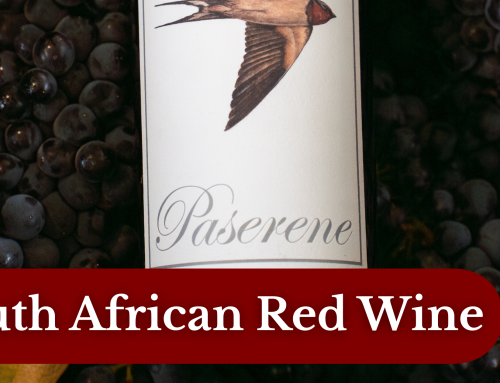
At Paserene, that idea finds a clear expression in the Marathon 2021 Magnum, the estate’s first-ever magnum release. It is a 1.5 litre bottling of Marathon 2021, limited to 404 individually numbered bottles. Paserene describes it as a collector’s edition built around one of the estate’s most structured and age-worthy wines, which makes the format feel considered rather than decorative.
For readers wanting a useful primer on bottle sizes, Wine Folly’s guide to wine bottle sizes is a practical place to begin. The magnum sits at 1.5 litres, equal to two standard bottles, but its significance in fine wine has never been only mathematical. Larger format can change how a bottle is shared, how it is cellared, and how an occasion is remembered.
Why Marathon belongs in magnum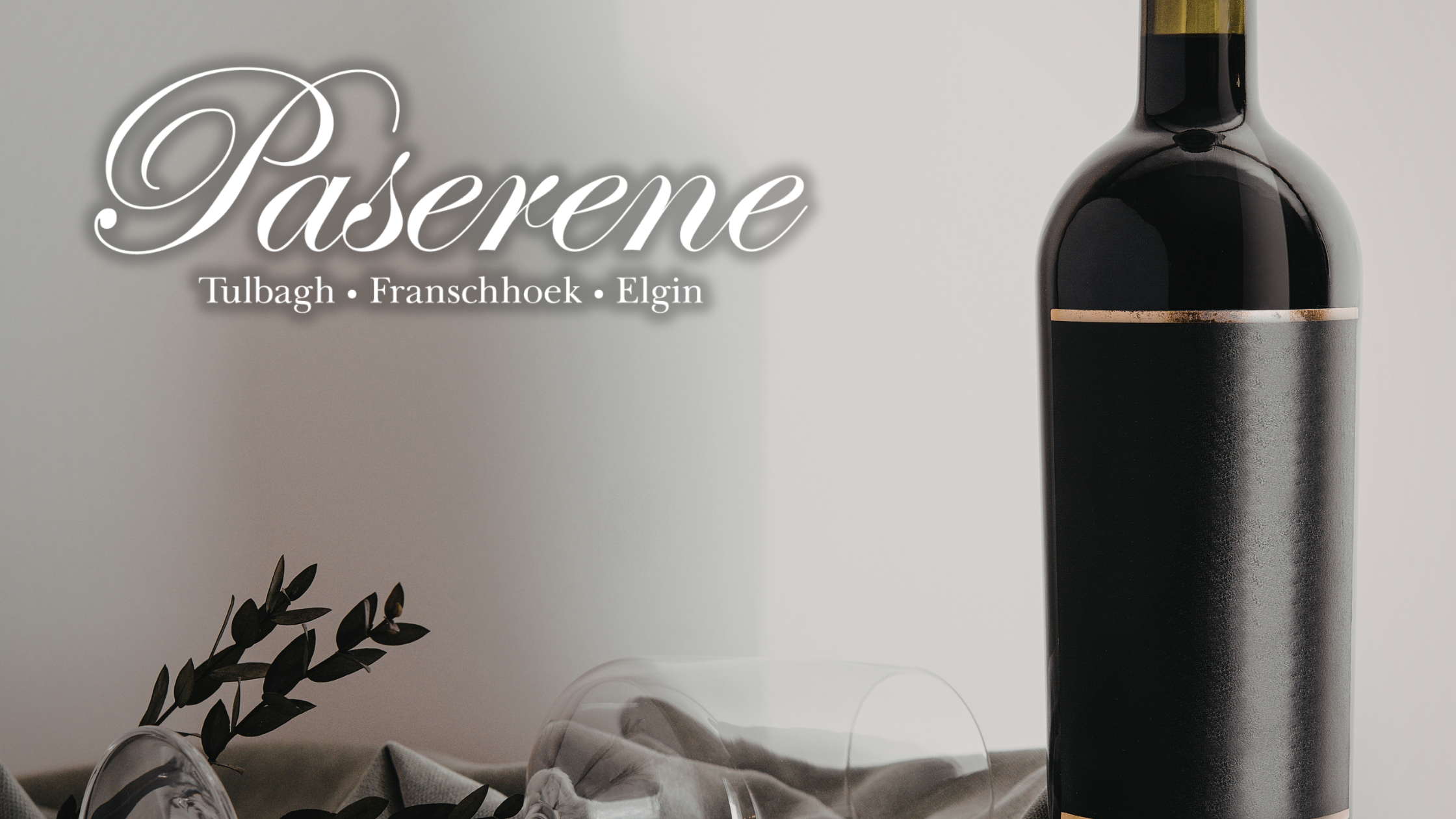
Not every wine needs a larger vessel. Magnum format is most persuasive when the wine itself has shape, concentration, and the patience to evolve. Paserene’s Marathon 2021 was always going to suit that treatment. The wine is a Cabernet Sauvignon and Petit Verdot blend sourced from Tulbagh, with fruit from low-yielding vineyards rooted in decomposed shale soils. According to the estate, the hot, dry climate is moderated by cool evenings, helping the wine carry both depth and lift.
That structural frame matters because Marathon is presented as a wine of endurance rather than immediacy. Paserene notes fermentation in upright French oak barrels with gentle hand-punching, followed by maturation intended to preserve fruit purity and six months of bottle ageing before release. On the product page, the estate describes a wine with cassis, blackberry, dried violets, spice, cedar and balsamic undertones, finished by silky tannins and a long, layered close. Those are the qualities that make a magnum more than a novelty. They suggest a wine designed to settle and unfold rather than rush.
A South African format for long tables
In South Africa, where hospitality often gathers around a generous table, magnum wine has a natural place. It suits the long lunch that becomes supper, the Easter weekend table where several generations arrive at once, or the autumn gathering where the evening turns cool and nobody wants to be the first to leave. A magnum extends the conversation because it extends the pour. Instead of opening a second standard bottle too quickly, you stay with one wine and watch it move through the meal.
That is part of what makes the Paserene release feel so apt. Paserene is a boutique winery in Franschhoek built around a philosophy of sense of place and people, and that sensibility fits the format. A magnum works best when it encourages not only drinking, but attention. It asks people to notice what is being poured, where it comes from, and why this particular bottle has been chosen. If you want to understand where this bottle sits in the broader estate offering, Paserene’s wine collection gives useful context without losing the individuality of the release itself.
Why collectors notice magnums
Collectors are often drawn to magnums because format and intent align so neatly. A larger bottle introduces rarity, but it also introduces a different kind of commitment. You do not open it casually. You open it when the table is right. In the case of Marathon 2021 Magnum, that instinct is sharpened by scarcity. Only 404 bottles were produced, each individually numbered, and Paserene positions the release as a rare chance to experience the wine in its most expressive format.
There is also the quiet pleasure of giving a bottle that feels memorable before it is even tasted. A standard bottle can be thoughtful. A magnum suggests memory. It is often chosen for milestone birthdays, anniversaries, significant family lunches, or the sort of business gift that needs to feel substantial without becoming showy. Because this is the estate’s first magnum release, the bottle carries a little more narrative than usual. It marks a first, not simply a format.
How to serve it well
Part of the beauty of a magnum is that it slows you down in useful ways. It deserves decent stemware, a little air, and a meal with enough weight to meet it. Paserene recommends pairings such as grilled lamb, ribeye steak, aged cheddar, smoked game and duck breast. Those suggestions make particular sense in autumn, when South African tables begin to turn toward deeper flavours and longer evenings.
It is also a bottle that invites a decision between the near future and the distant one. Opened now, it can anchor a celebratory table with confidence. Left alone for years, it offers the appeal of anticipation. Paserene describes Marathon as highly age-worthy, with the standard bottle positioned for substantial cellaring under proper storage. The magnum format only sharpens that sense of patience.
The lasting appeal
There are wines that impress by being loud. Magnum wine, at its best, impresses by giving a gathering more shape. It steadies the table, keeps the conversation in one place a little longer, and gives the wine more room to become itself. That is why the format still matters, and why Paserene’s Marathon 2021 Magnum feels less like an indulgence than a natural extension of what fine wine is meant to do.
The charm of the bottle lies in that balance between presence and restraint. It is unquestionably grand, yet its deepest pleasures are quiet ones: a slower pour, a better meal, a longer finish to the day. For anyone looking for magnum wine in South Africa, that is the real promise. Not simply more wine, but more time around it.
FAQs
What is a magnum bottle of wine?
A magnum is a 1.5 litre bottle, equal to two standard 750ml bottles.
How many Marathon 2021 Magnum bottles were produced?
Paserene states that only 404 individually numbered bottles were produced.
What grapes are in Paserene Marathon 2021 Magnum?
Paserene describes Marathon 2021 Magnum as a Cabernet Sauvignon and Petit Verdot blend from Tulbagh.
Is Marathon 2021 Magnum suitable for cellaring?
Yes. Paserene positions Marathon as one of its most age-worthy wines, and the magnum format is especially attractive to collectors.
When should I open a magnum of red wine?
A magnum is ideal for milestone lunches, family gatherings, celebratory dinners, and gifting occasions where one memorable bottle suits the table better than several standard bottles.