There is a particular quiet that arrives with red wine in winter. It is not only the weight of the glass or the deeper colour held against the light. It is the feeling that the evening has been allowed to gather itself slowly.
In South Africa, red wine carries many landscapes within it. Mountain slopes, maritime air, old soils, warm afternoons, and cool evenings all leave their trace. Some wines speak with generosity, others with restraint. The most memorable do not need to dominate a room. They simply bring it into focus.
At Paserene, we are drawn to that kind of composure. When you explore South African wines from Paserene, the intention is not to overwhelm the table with choice, but to offer wines that feel considered, grounded, and ready to meet a moment with grace.

A broader view of South African red wine
South African red wine is not a single style. It is a conversation between regions, varieties, blends, and the hands that guide them. The country’s wine story is shaped by both old heritage and contemporary precision, with producers continually refining how power, freshness, and structure can live together.
For readers who want a wider educational introduction to the country’s wine regions, Wine Folly’s guide to South African wine offers a useful map-led overview. It is a helpful place to begin before returning to the more intimate question of what belongs in your glass tonight.
In winter, that question often becomes simpler. You may want a wine that brings warmth, but not heaviness. A wine that can sit beside food, but also beside conversation. A wine with enough depth to hold the evening, and enough freshness to keep it alive.
Why red wine feels different in winter
Cold weather changes the way we receive flavour. The table becomes slower. Food often takes more time. Aromas rise from warm dishes, candles burn lower, and the room invites a different pace of attention.
Red wine belongs naturally to this rhythm. Its structure can frame richer dishes. Its texture can soften the edges of a long day. Its presence can turn an ordinary meal into something more deliberate, not through ceremony, but through care.
The best winter red wines are not necessarily the most forceful. They are the wines that know how to hold balance. Fruit, acidity, tannin, and time each have a role, but none should speak so loudly that the others disappear.
The place of blends 
Blends have a quiet intelligence. They ask different components to serve a shared purpose. One part may bring shape. Another may bring lift. Another may carry depth or length. When the work is careful, the final wine feels whole rather than assembled.
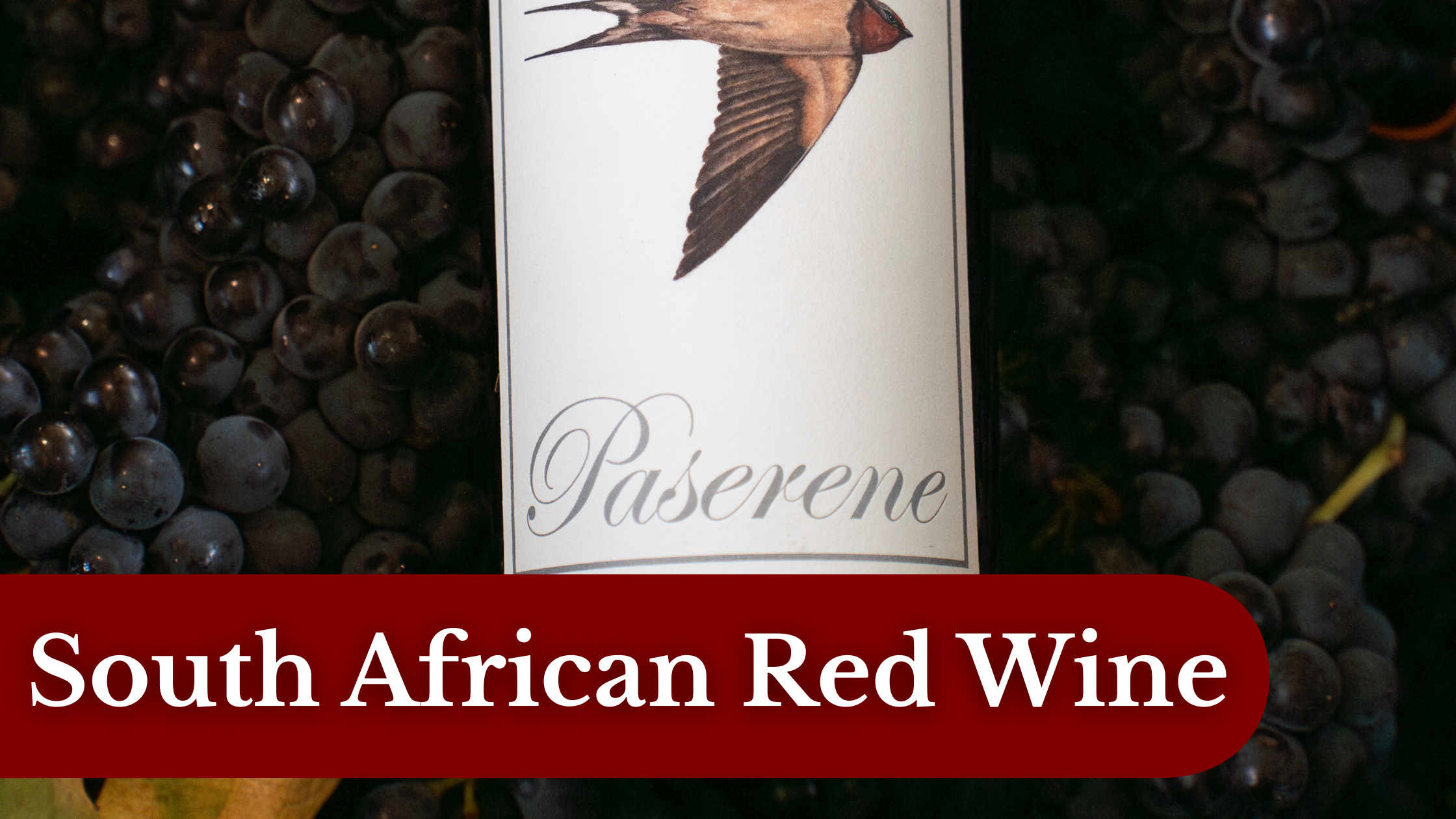
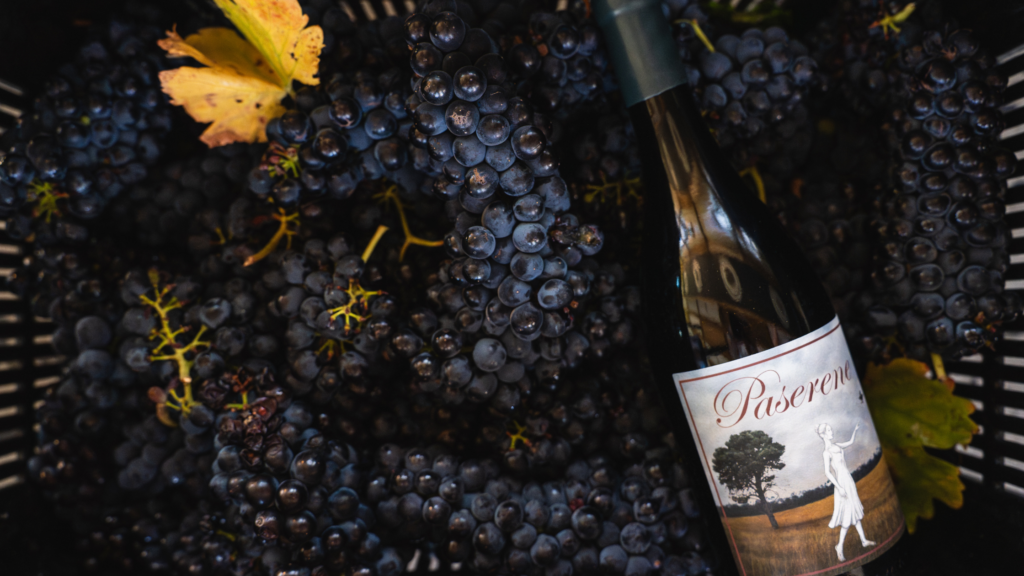
This is where a wine such as Paserene Marathon 2021 can be referenced with respect. It belongs to the estate’s listed collection and gives a useful point of entry into Paserene’s red-wine world. Rather than crowding it with invented descriptors, we prefer to let the wine keep its own counsel until it is met in the glass.
That restraint matters. Wine language should leave room for discovery. A red wine can be serious without being severe, generous without being broad, and layered without needing to be explained all at once.
Food, warmth, and patience
The winter table in South Africa has many forms. It may be a quiet roast, a pot of something fragrant left to simmer, vegetables brought to sweetness by heat, or a simple dish made slowly because the day has allowed it.
Red wine gives these meals structure. It can meet savoury depth, soften around salt and spice, and bring a measured line through richness. It does not need the food to be formal. Often, the most beautiful pairings are born from comfort rather than display.
What matters is proportion. A wine with too much weight can tire the palate. A wine with too little presence may disappear beside winter food. Between those two points lies the red wine we return to most often: composed, textured, and quietly persistent.
Cellar time and the value of waiting
Red wine asks for patience long before it reaches the table. It asks it in the vineyard, where each season leaves its mark. It asks it in the cellar, where extraction, vessel, and time must be handled with sensitivity. It asks it again from the person opening the bottle.
A few minutes in the glass can change the way a wine speaks. The first impression is not always the whole truth. Some wines arrive slowly, revealing themselves through conversation, food, and air.
Winter is a generous season for this kind of tasting. There is less urgency in the light, less pressure in the day. The glass can be revisited. The meal can stretch. The wine can find its own pace.
Choosing with quiet confidence
For a national wine drinker looking toward South African red wine, the best choice is not always the loudest bottle on the table. It may be the one that feels most resolved. The one that carries craft without making a spectacle of it.
This is the kind of red wine we admire at Paserene. Wine that honours place, but does not rely on explanation. Wine that brings a sense of occasion without insisting on one.
In June, as evenings deepen and the valley rests, red wine feels less like a statement and more like a companion. It gathers around the table, listens before it speaks, and leaves the room warmer than it found it.