Place is one of the most beautiful words in wine because it resists being reduced. It is not only soil, not only climate, not only the line of a mountain or the direction of a breeze. It is the gathering of many quiet forces over time. It is what happens when land, weather, vine, hand, and season become inseparable.
South African wine carries this idea with particular grace. The country’s wine landscapes are varied and expressive, shaped by mountains, valleys, coastal influence, inland warmth, winter rain, summer light, and the long memory of farming communities. No single phrase can hold all of it.
At Paserene, our home in Franschhoek reminds us daily that place is both immediate and layered. It is seen in the morning light on the slopes, felt in the change of air before rain, and understood slowly through the wines we make and share.
Place is more than scenery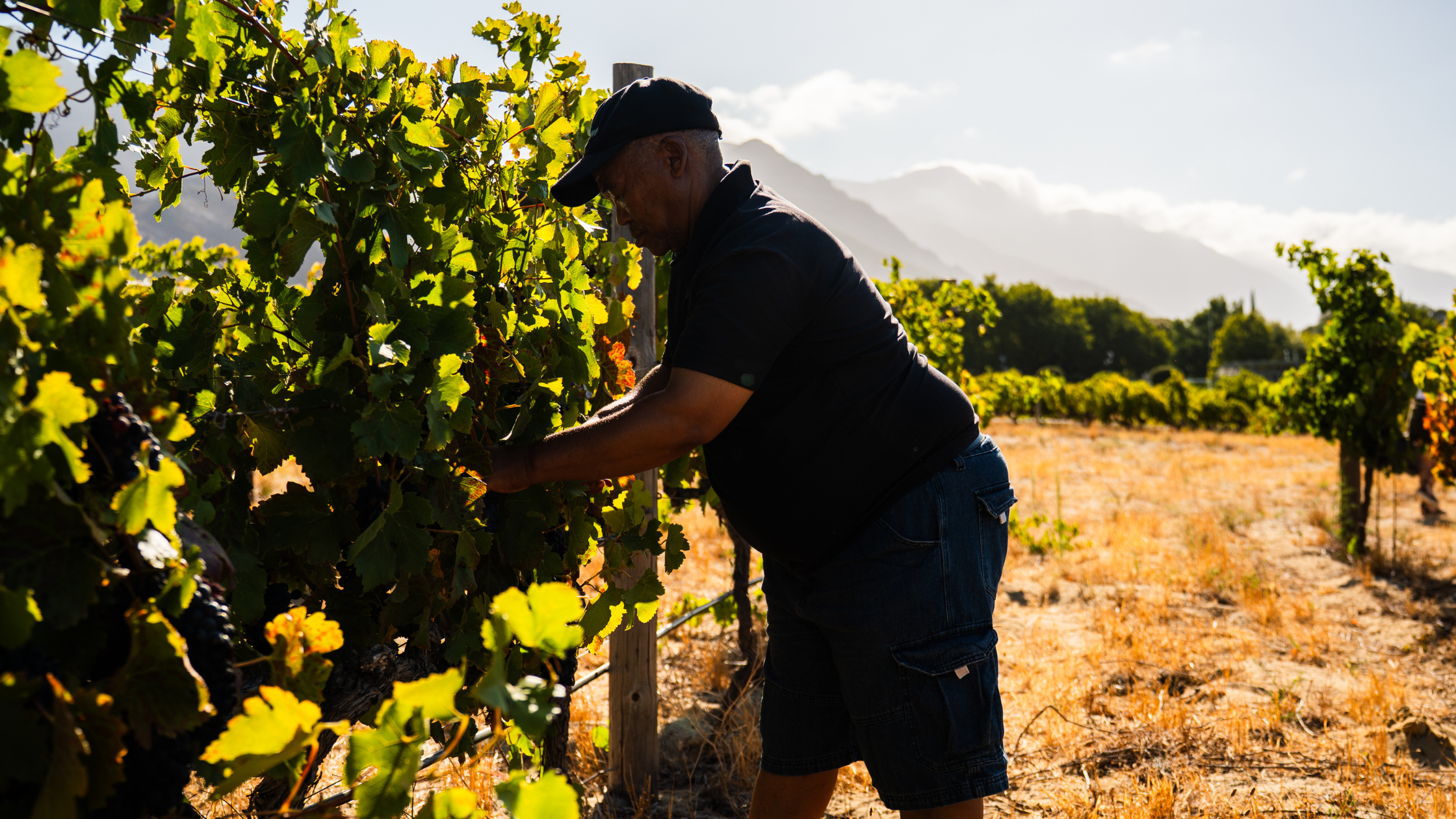
It is easy to speak of place only through beauty. Franschhoek is certainly beautiful, with its mountains, vineyards, and changing seasonal colour. But in wine, beauty is not merely visual. The landscape does not sit outside the glass. It helps shape what the glass becomes.
A vineyard is affected by elevation, aspect, drainage, wind, sunlight, and the rhythm of a growing season. These elements influence how fruit develops and how a wine may later carry freshness, texture, structure, or depth. Human choices matter too. Farming, picking decisions, cellar restraint, and patience all determine whether place is honoured or obscured.
This is why sense of place is never automatic. It must be listened for. A wine can come from a beautiful region and still say very little. Another can speak quietly, without ornament, and carry its origin with remarkable clarity.
The wider South African picture
To understand South African wine, it helps to recognise the scale and diversity of the landscape. The official SAWIS annual publications offer a useful window into the industry’s regions, plantings, and ongoing changes. Behind those figures are real valleys, farms, cellars, and families shaped by place over generations.
The Western Cape alone holds many different wine environments. Some vineyards lean toward the sea. Others sit in mountain shadows or inland basins. Some sites are known for coolness and tension; others for warmth, structure, or generosity. This diversity is one reason South African wine cannot be understood through a single style.
For the drinker, this is a gift. It means that exploration can be broad without leaving the country. One can move from elegance to depth, from freshness to structure, from familiar varieties to unexpected expressions, all while remaining within a South African frame.
Franschhoek as a living valley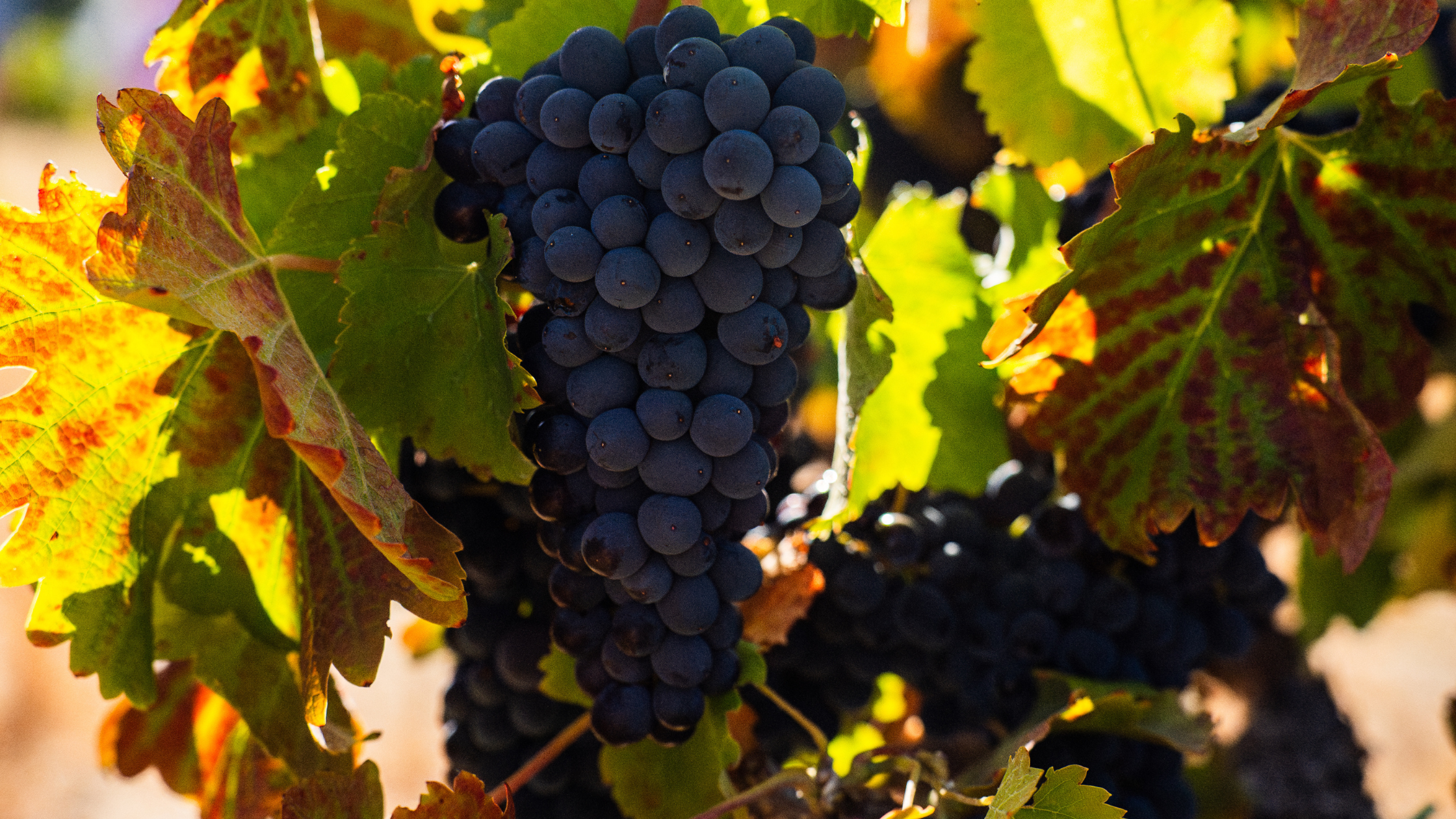
Franschhoek is often described through its history and beauty, but it is also a working valley. The seasons are not decorative. They shape the rhythm of the year. Harvest brings urgency and decision. Autumn brings reflection. Winter brings rest, pruning, and preparation. Spring begins the cycle again.
When you visit for wine tasting in Franschhoek, the experience is not separate from that rhythm. Even a quiet afternoon at the cellar door belongs to a larger agricultural year. The vines may be resting, flowering, carrying fruit, or turning colour. The glass in front of you has come from another moment in that cycle.
This connection gives wine its emotional weight. A bottle is not simply a finished object. It is a record of a season that will not happen again in exactly the same way.
The human hand
Place may begin in the vineyard, but it is carried by people. The winemaker’s task is not to impose a louder story, but to understand what the site is offering and respond with care. Sometimes that means restraint. Sometimes it means patience. Often it means knowing when not to interfere more than necessary.
Hospitality is part of this human expression too. The way a wine is poured, explained, paired, or quietly left to speak can either deepen or distract from its sense of place. At our table, we prefer guidance that leaves space. A guest should feel welcomed into the story, not instructed through it.
This same spirit shapes events and functions at the estate. A gathering here is held not only by architecture and service, but by the valley itself. The setting becomes part of the memory, just as place becomes part of the wine.
How to taste for place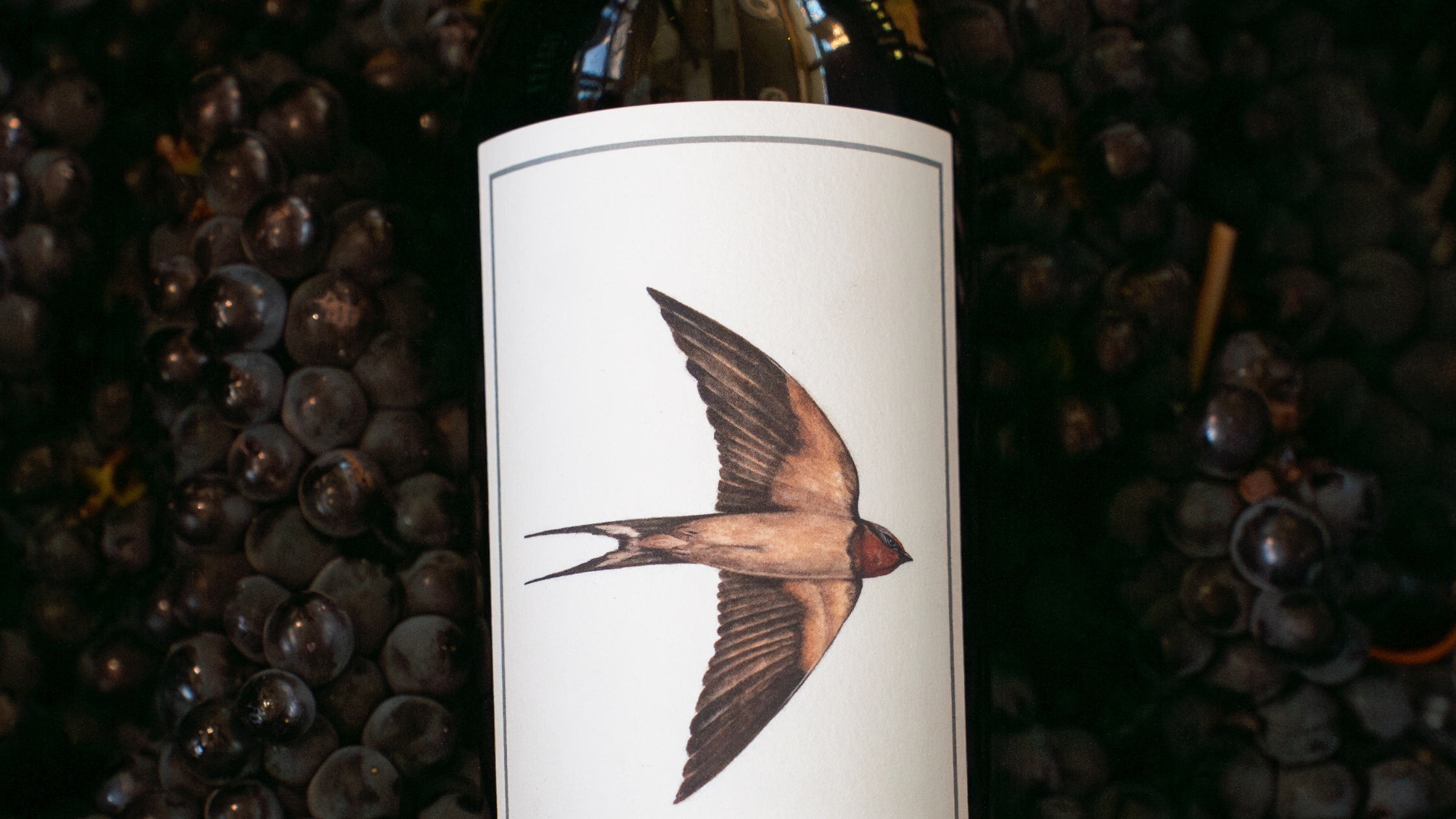
Tasting for place does not require grand declarations. Begin by slowing down. Notice whether the wine feels lifted, grounded, firm, generous, fine, or expansive. Notice how it changes with air and food. Notice the impression that remains after the flavours have faded.
Comparison can also help. Taste wines from different regions, or different expressions from the same estate, and allow the contrasts to reveal themselves. Over time, you may begin to sense how climate, site, and intention leave their quiet signatures.
The language need not be technical. Sometimes a wine simply feels like morning, stone, shade, warmth, or distance. These impressions matter. They are part of how memory receives place.
A glass with a horizon
A wine with a sense of place seems to have a horizon beyond itself. It does not end at aroma or flavour. It points outward, toward land, season, and the people who brought it into being. This is why such wines often feel calm rather than decorative.
South African wine is rich with these horizons. Its diversity is not noise, but possibility. Its landscapes offer many voices, and the best wines allow those voices to remain distinct.
In May, as the valley grows quieter, sense of place feels especially close. The vineyards rest. The mountains hold the changing light. The glass becomes a way of listening to where we are.