A wine tasting begins before the first glass is poured. It begins on the road, with mountains shifting in the distance and light moving across the vines. It begins in the decision to leave the day behind for a few hours and enter a place at a different pace.
The Cape Winelands has always held this invitation with grace. Its beauty is generous, but not simple. There are old farms and contemporary cellars, shaded avenues and open slopes, rooms built for conversation, and views that remind you how closely wine belongs to landscape.
For the traveller searching more broadly for Cape Winelands wine tasting, the question is often practical at first. Where should we go? What should we expect? How do we choose? Yet beneath those questions is another one: where can we feel quietly present?
A national destination with intimate moments
The Cape Winelands is known far beyond the valley roads that connect its towns. Visitors arrive from across South Africa and from further away, often carrying a picture of vineyard terraces, mountain backdrops, and unhurried lunches.
A wider travel perspective can be found in Decanter’s guide to the Cape wine route, which reflects the region’s appeal as a destination for wine-minded travellers. But the deeper pleasure of the Winelands is not only in seeing many places. It is in allowing one place to hold your attention.
A tasting does not become memorable because it is crowded with information. It becomes memorable when the setting, the glass, and the conversation feel aligned. You leave not with a list, but with a feeling of having been hosted well.
What a considered tasting should feel like
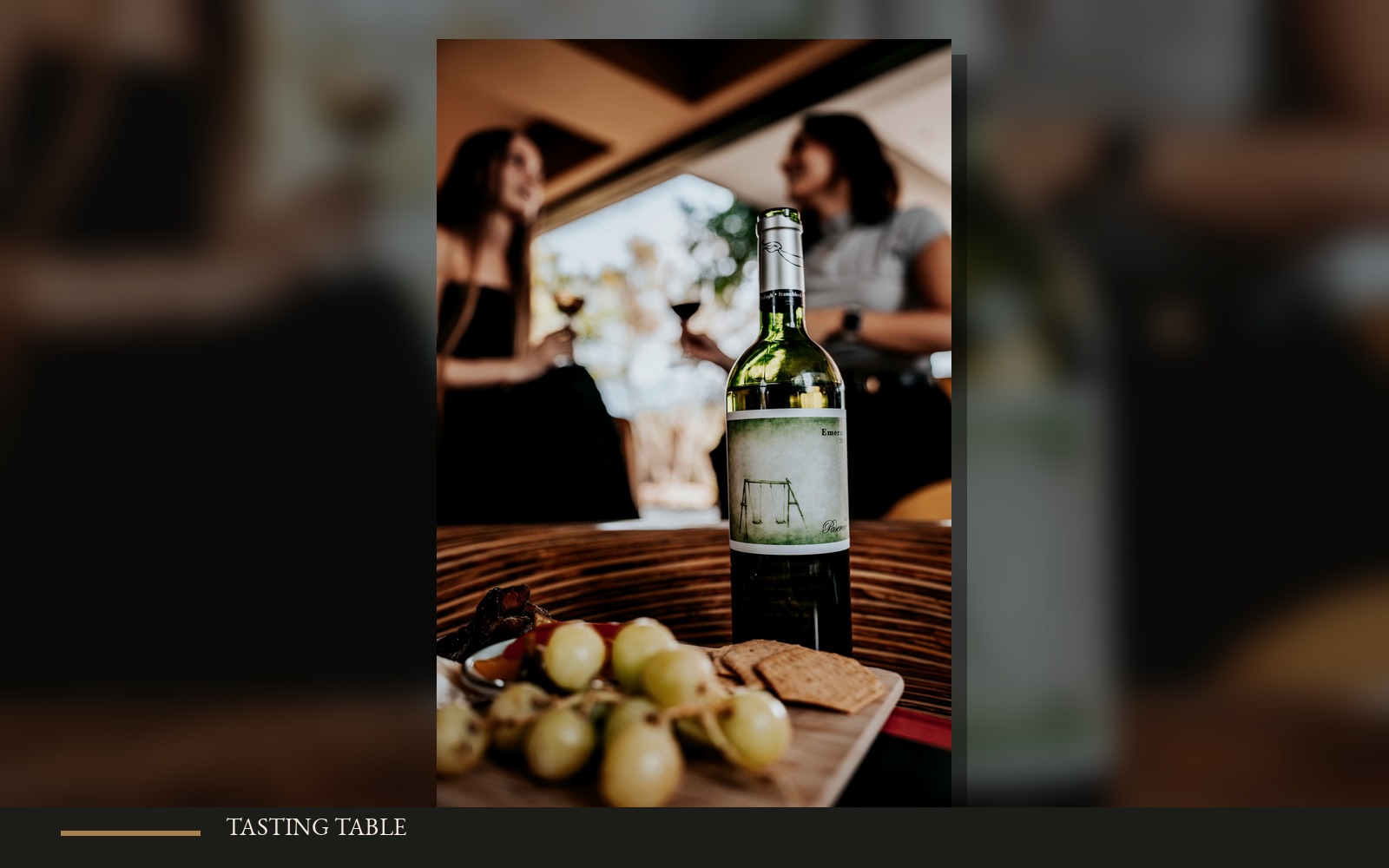
A considered wine tasting gives you space. Space to notice colour without being asked to perform expertise. Space to listen to the story of a wine without being hurried into judgement. Space to ask questions, or to sit with the glass in silence.
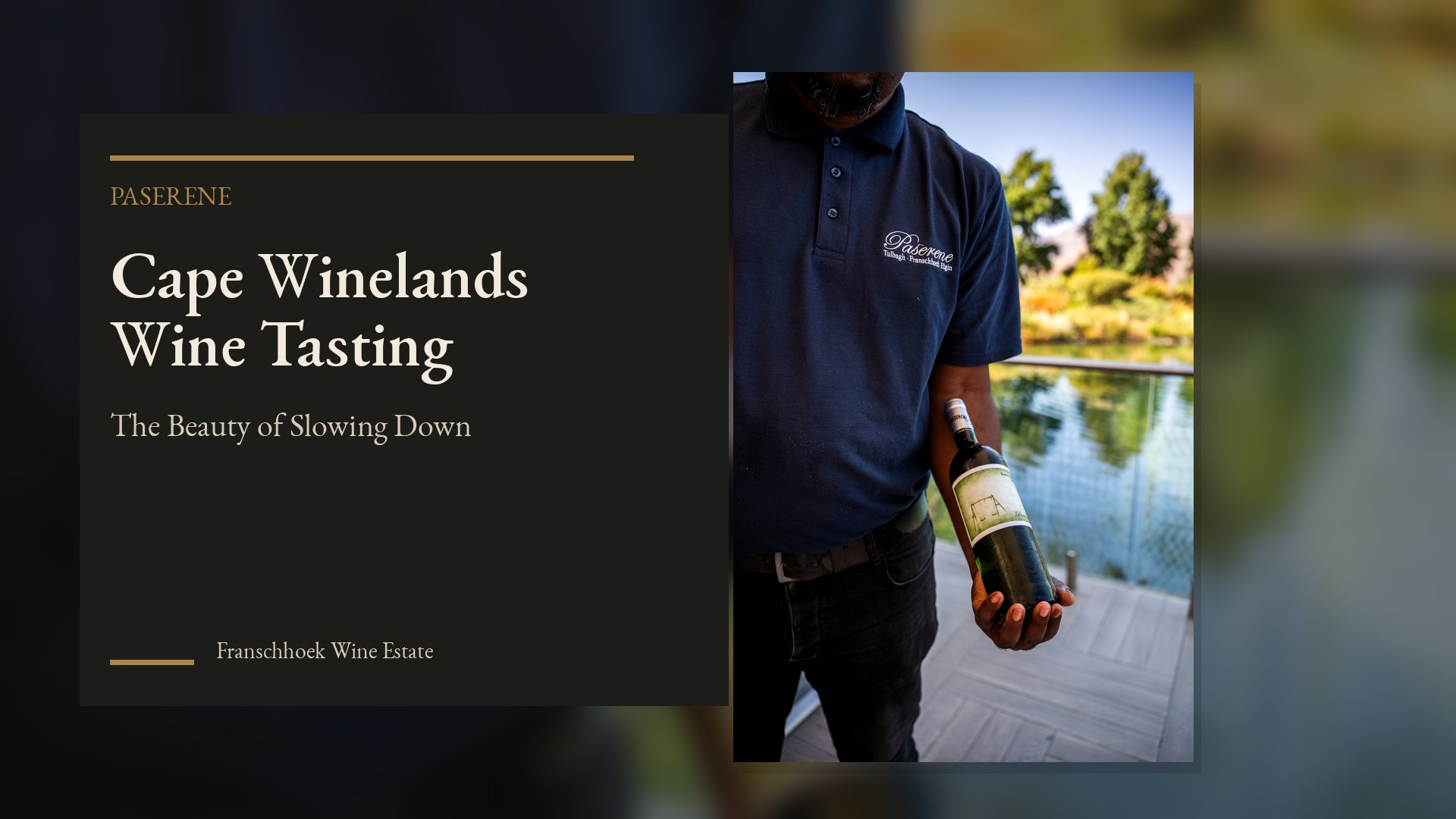
At Paserene, our Franschhoek wine tasting experience is shaped around this slower rhythm. The aim is not to move you quickly through a sequence, but to allow the estate, the wines, and the valley to speak with enough quiet that you can hear them.
Wine tasting is sometimes treated as a lesson. It can be one, but it need not feel instructional. The most meaningful tastings are often those where learning happens naturally, through attention rather than pressure.
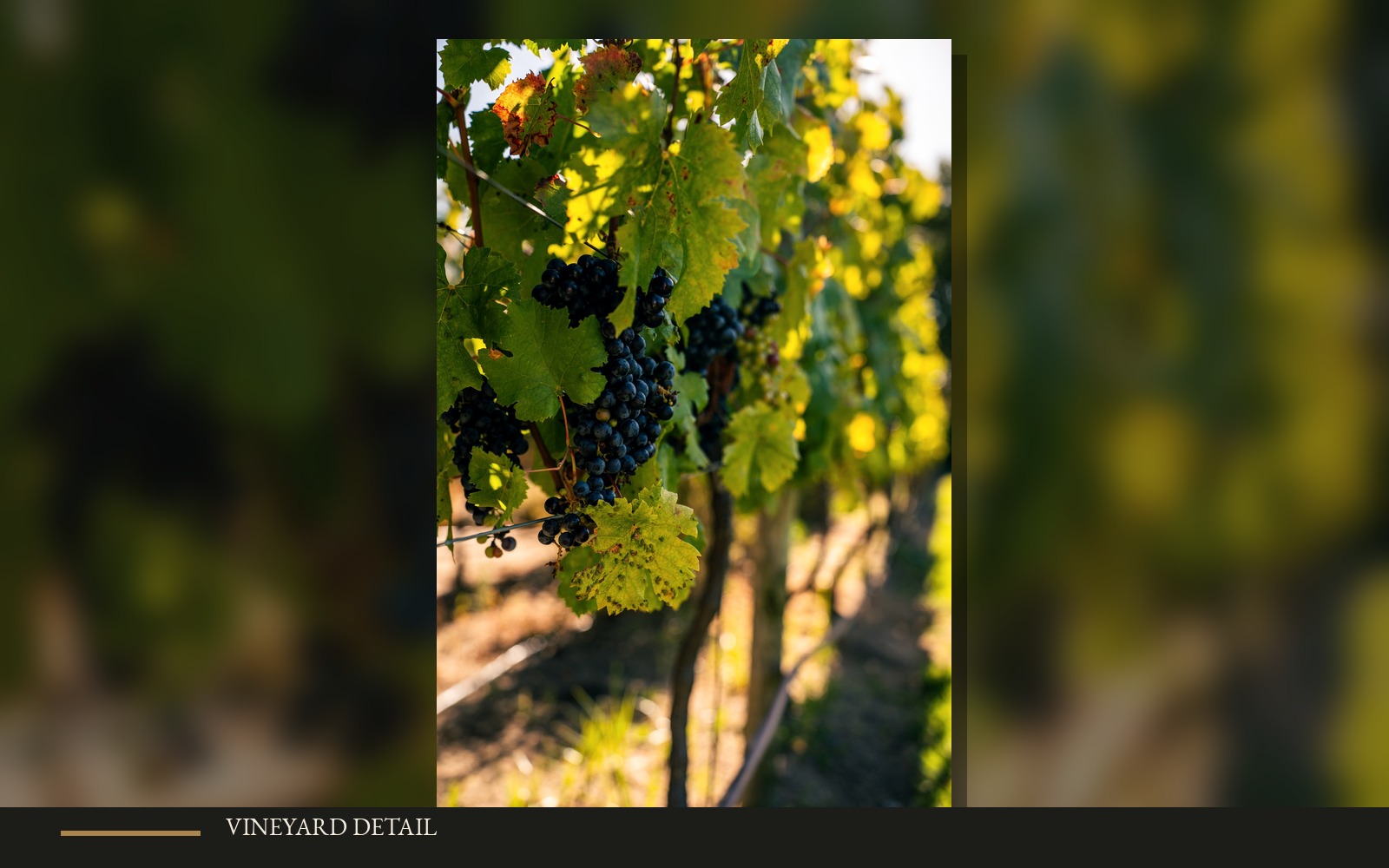
The role of place
Wine is never separate from where it is tasted. A bottle opened at home can be beautiful, but a glass poured where the wine’s story is held in the surrounding landscape offers a different kind of understanding.
In the Cape Winelands, mountains are not background decoration. They shape light, temperature, mood, and memory. The architecture of the valley affects how a visitor receives the wine. The air, the view, the quiet between pours all become part of the experience.
This is why a tasting room matters. It is a threshold between cellar and guest, between craft and hospitality. It should not obscure the wine, nor should it feel bare. It should hold the moment lightly, allowing the glass to remain central.
Choosing fewer tastings, more carefully
It can be tempting to fill a Winelands day with as many stops as possible. There is pleasure in discovery, but too much movement can blur the very details you came to find.
A slower itinerary often leaves a deeper impression. One thoughtful tasting, followed by time to walk, sit, eat, or simply look across the valley, can offer more than a long list of hurried appointments.
This is particularly true in winter, when the Winelands becomes more contemplative. The vines are bare, the light is softer, and the tasting room feels like a place of shelter. Wines unfold differently in this season. So do people.
For the curious, not only the confident
You do not need to arrive with a trained vocabulary. You do not need to identify every note or understand every technical choice. Curiosity is enough.
A good host knows how to meet you where you are. Some guests want detail. Others want atmosphere. Some are discovering South African wine for the first time. Others return each year with a more practiced sense of what they love.
The beauty of a Cape Winelands wine tasting is that it can hold all of these guests without forcing the experience into one shape. Wine is generous in that way. It makes room for many kinds of attention.
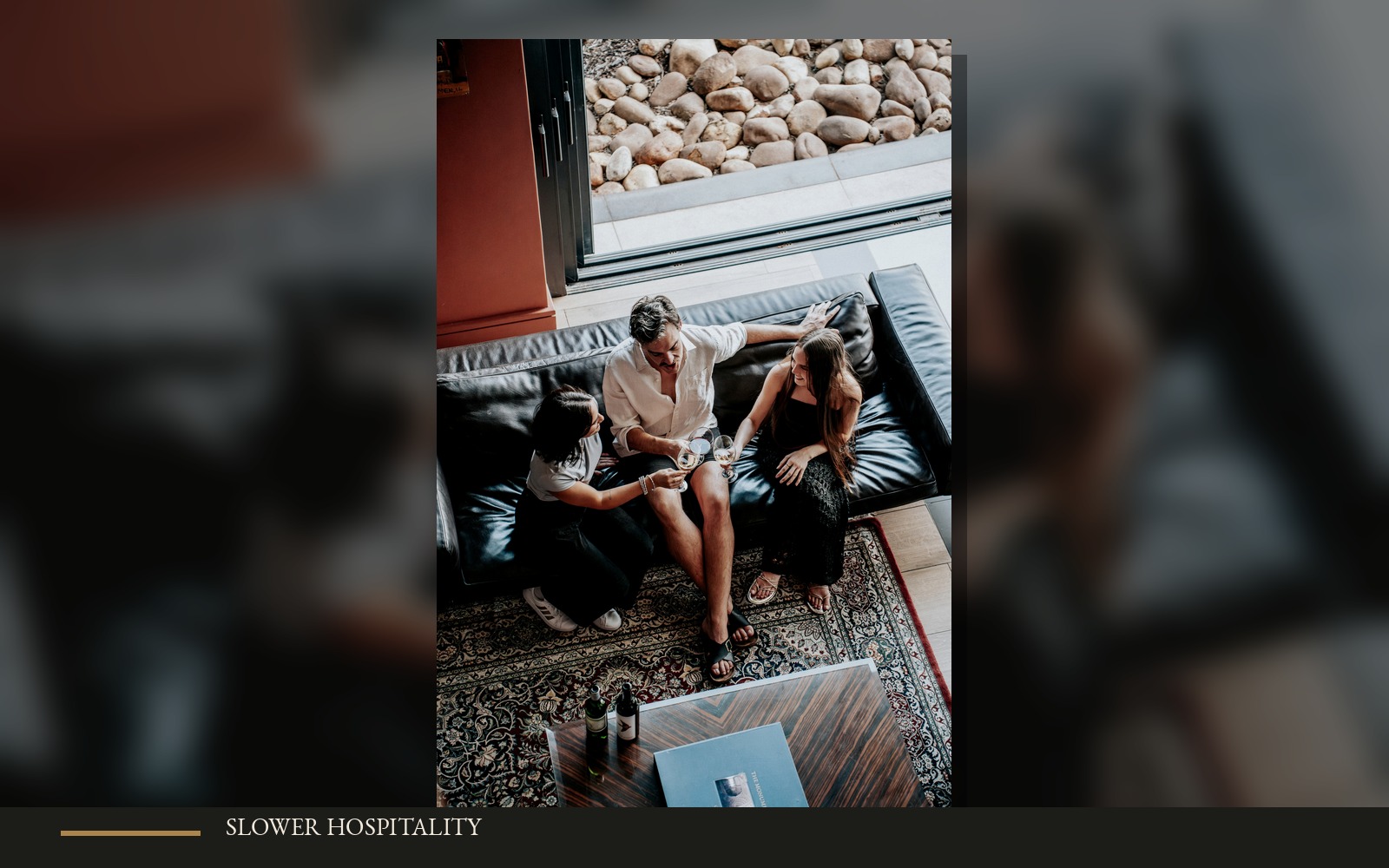
Leaving with more than a bottle
Of course, a tasting may end with a bottle chosen for later. But the bottle is not the only thing carried home.
You may remember the way the afternoon light settled on the table. You may remember a sentence spoken by the host, or the quiet surprise of a wine you had not expected to enjoy. You may remember the feeling of being away without being disconnected.
For guests planning their visit, the simplest next step is to use the estate’s contact page when practical details need to be arranged. But the heart of the experience remains less practical and more lasting. It is the pleasure of slowing down in a place that rewards your attention.
The Cape Winelands has many roads, but the best tastings do not ask you to rush down all of them. They ask you to arrive, to stay a little while, and to let the wine find you where you are.
FAQs
What should I expect from a Cape Winelands wine tasting?
You can expect a guided experience where wines are presented in relation to place, style, and cellar intention, often in a setting shaped by the surrounding landscape.
Is Franschhoek part of the Cape Winelands?
Yes. Franschhoek is one of the well-known destinations within the broader Cape Winelands and is closely associated with wine, food, and mountain scenery.
How many tastings should I book in one day?
A slower approach is often more rewarding. Fewer tastings allow more time to notice the wines, the setting, and the conversation around them.
Can beginners enjoy a wine tasting at Paserene?
Yes. A thoughtful tasting should welcome curiosity rather than require expertise, allowing each guest to engage at their own pace.