There is a stillness that belongs only to winter.
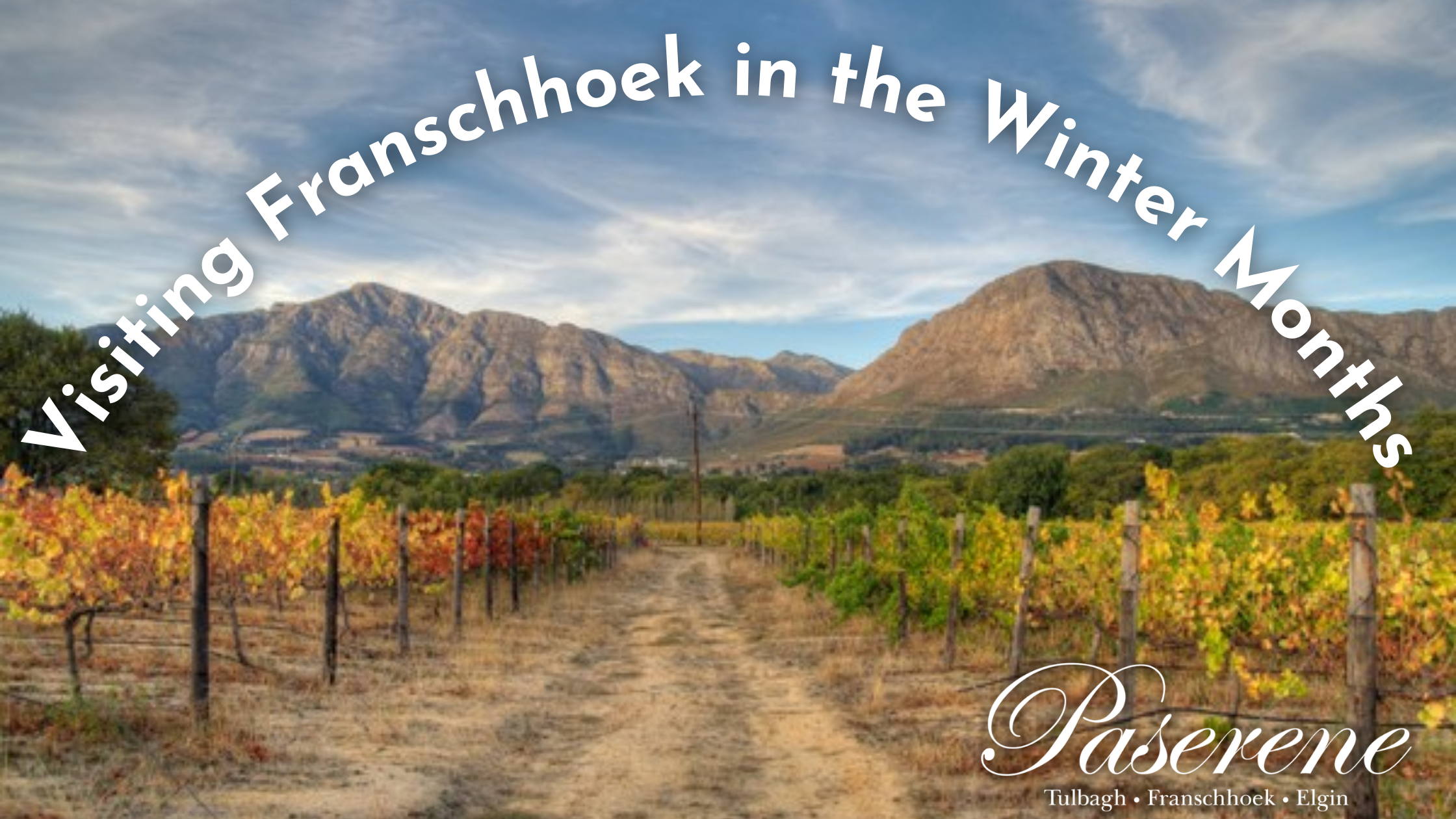
The vineyards stand without their summer canopy. Rows appear architectural, their lines precise against the muted tones of the valley floor. Mornings arrive with a softness — sometimes mist-laced, sometimes edged with clear, cool light.
Visiting Franschhoek in the winter months means encountering the valley without adornment.
The Architecture of Dormancy
By winter, the vine has withdrawn its energy inward. Leaves have fallen. Sap moves more slowly. Growth above ground appears to pause, yet beneath the surface, life continues quietly.
Dormancy is not inactivity. It is preparation.
The annual cycle of the grapevine, from budburst to flowering, fruit set to harvest, and finally rest, is essential to the integrity of each vintage. Wine Folly’s overview of the vine’s lifecycle offers a clear explanation of this seasonal rhythm and why dormancy forms a vital stage in the process. In winter, the vineyard gathers strength invisibly.
Pruning as Promise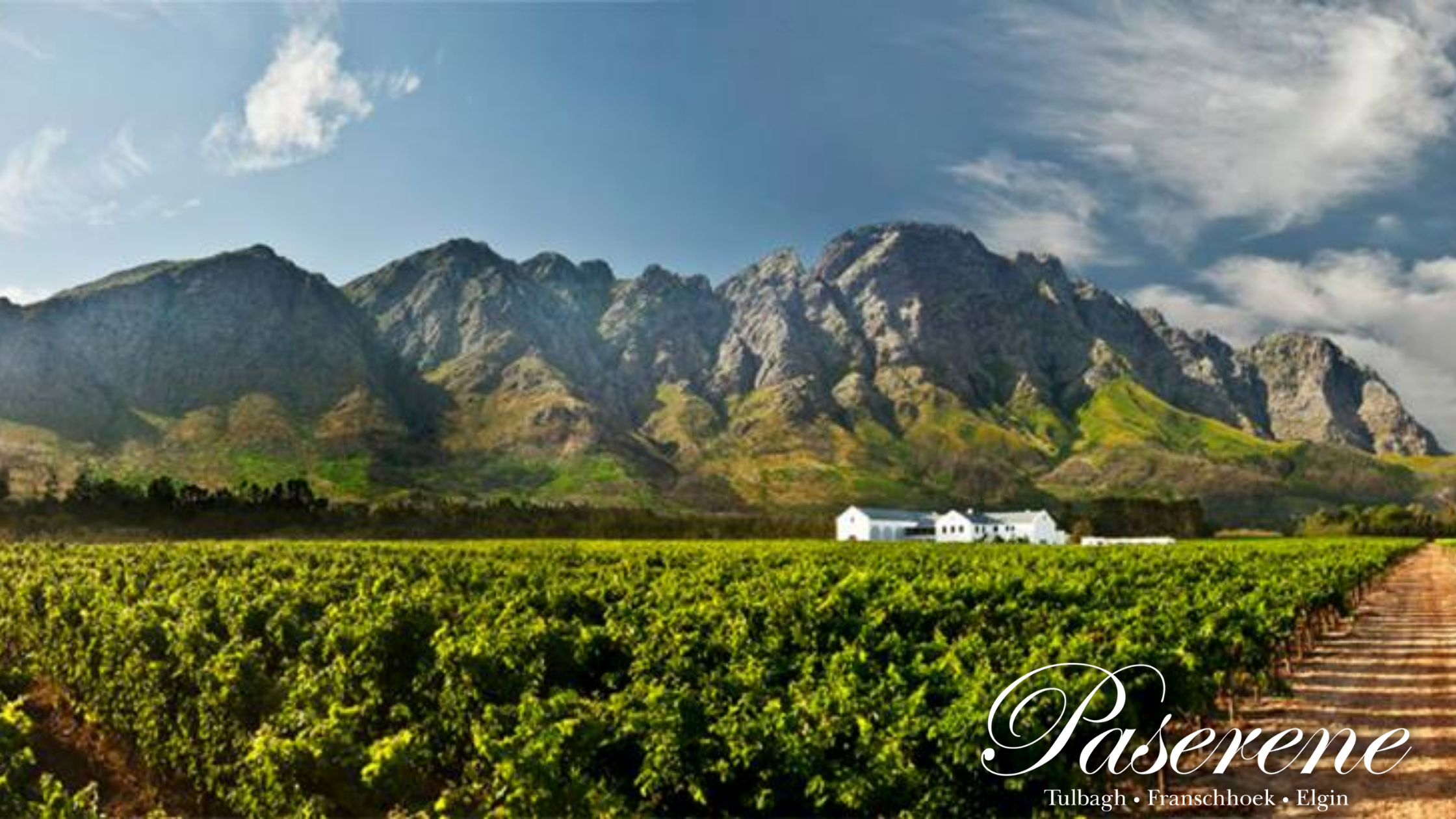
Winter also marks the beginning of pruning.
Each cut is deliberate. The vine is shaped for balance in the season ahead, yield regulated, growth guided, structure defined. It is careful work, performed row by row, vine by vine.
Without foliage to obscure the view, you can see the intention in every line. The vineyard appears architectural, almost sculptural against the muted tones of winter soil.
Walking through these rows carries a different atmosphere from harvest. There is no urgency. Only discipline.
The Mountain in Mist
Franschhoek’s winter weather lends the valley a softened outline.
Mornings often begin with mist resting low between the slopes. Rain, when it comes, deepens the earth’s colour and settles the dust of summer. On clear days, the mountains stand in sharp relief against pale skies.
The air feels clean. Sound carries differently. Even footsteps along gravel seem more distinct.
This change in light alters perception. You notice contour and contrast rather than vibrancy. The valley feels intimate.
The Cellar in Winter
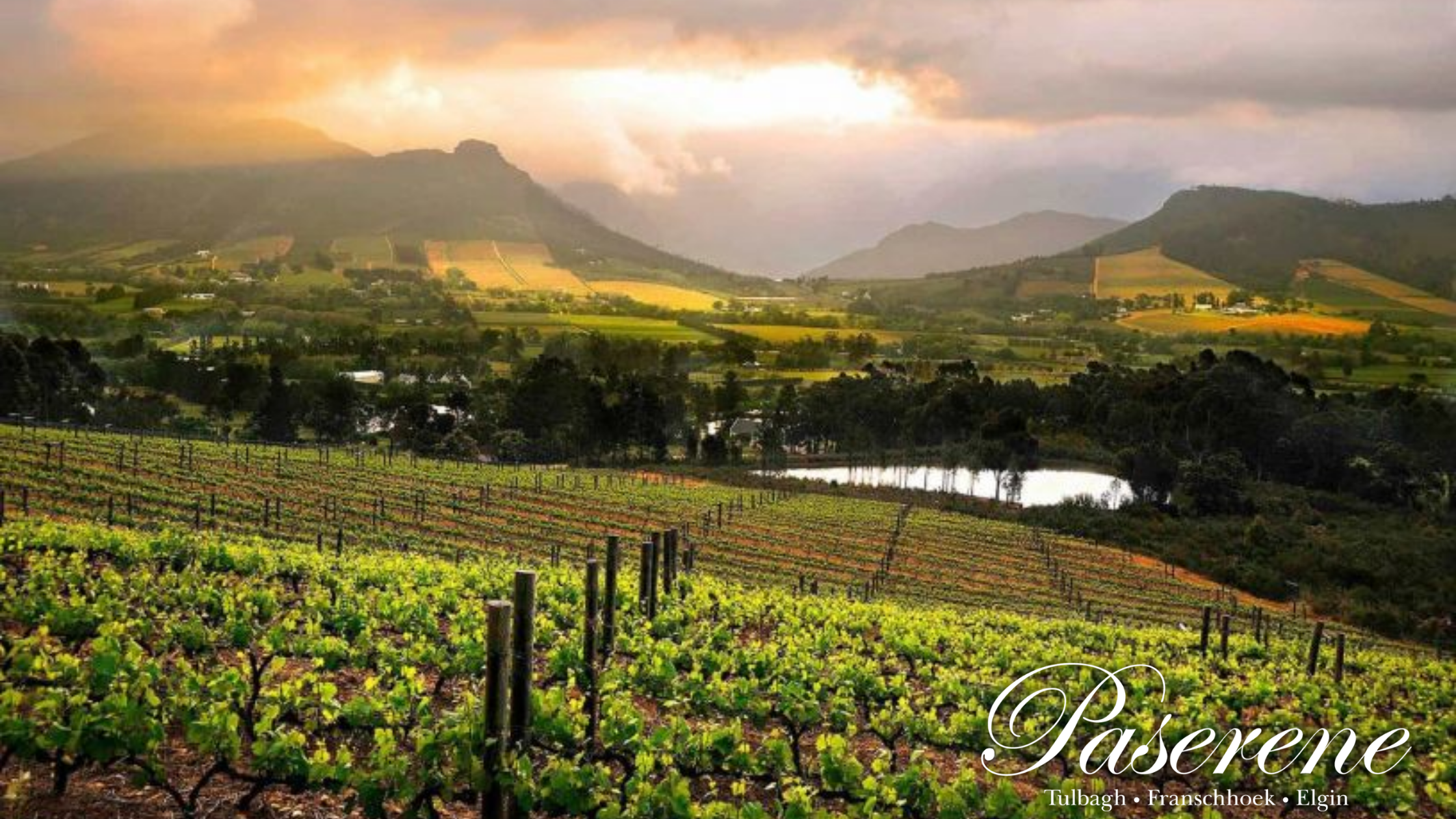
While the vineyard rests, the cellar continues its quiet work.
Barrels hold wines from the previous harvest. Maturation proceeds steadily. Winter offers space for assessment — for tasting young wines as they begin to reveal structure and balance.
This is a season of observation rather than intervention.
Without the movement of harvest, the estate feels inward-looking. The focus shifts from action to refinement. Wines are allowed time.
For those who visit us during this period, tastings often unfold with a particular calm. The atmosphere encourages attention to texture, to length, to nuance.
Fewer Crowds, Deeper Connection
Visiting Franschhoek in the winter months offers a different kind of presence.
There is more space between visitors. Conversations linger. The experience becomes less about movement and more about immersion. A glass held in hand feels warming against the cool air. The view beyond the window feels contemplative rather than celebratory.
Winter allows you to encounter the valley without distraction.
If you wish to understand how the estate’s philosophy aligns with this rhythm, our story speaks to the balance between patience and precision that defines our approach.
A Season of Integrity
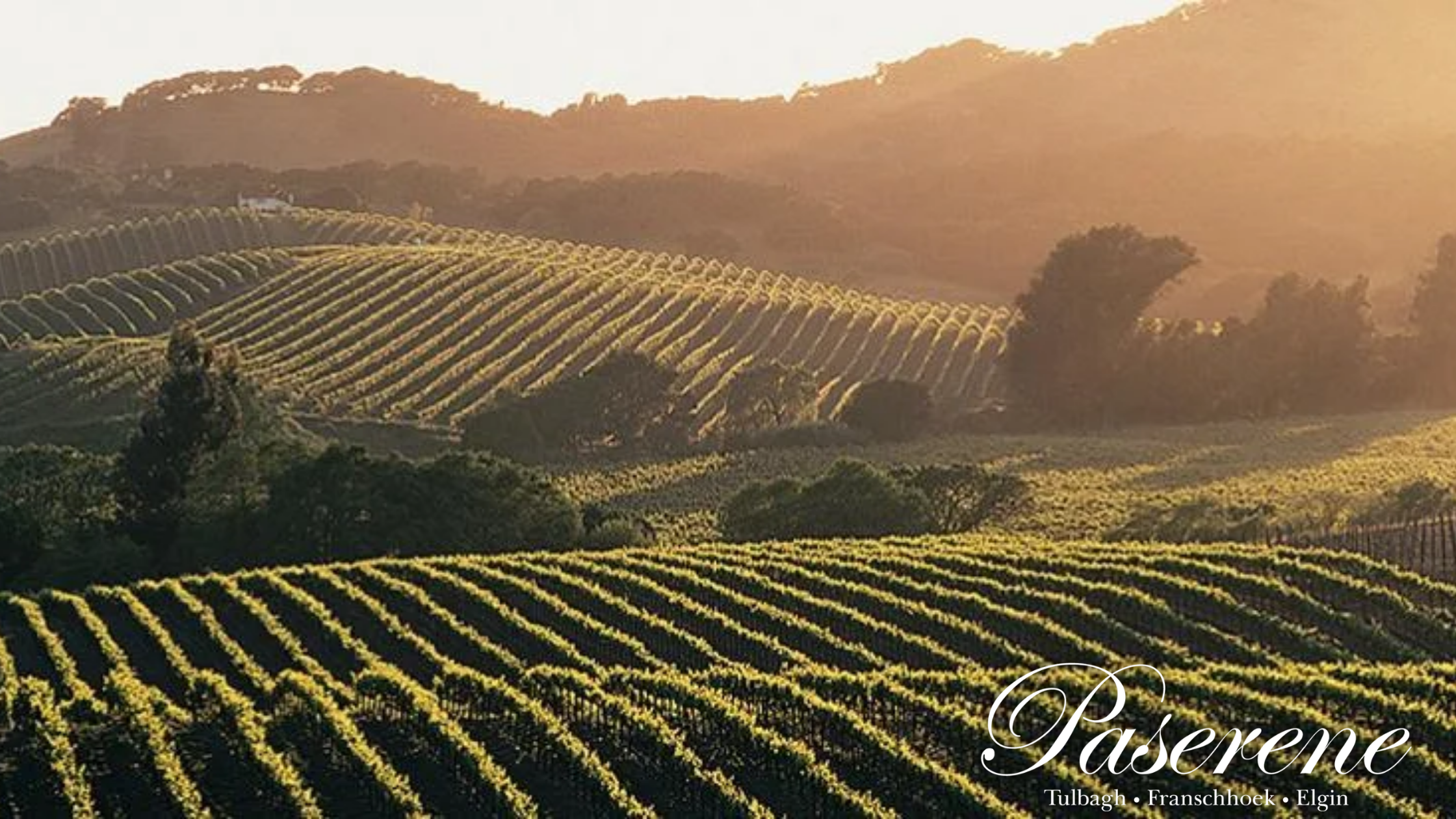
There is a quiet integrity to winter.
Nothing is concealed. The vines stand bare. The mountains carry cloud openly. The work being done is foundational rather than visible.
This season reminds us that wine is not created in moments of brightness alone. It is shaped equally by rest, by preparation, by the unseen gathering of strength beneath the soil.
Visiting Franschhoek in the winter months offers insight into this deeper rhythm. You see the vineyard’s structure. You feel the cooler air that steadies the valley. You taste wines as they rest in their own maturation.
And in that stillness, the essence of the place becomes unmistakable — composed, deliberate, and quietly confident, awaiting the renewal that spring will inevitably bring.