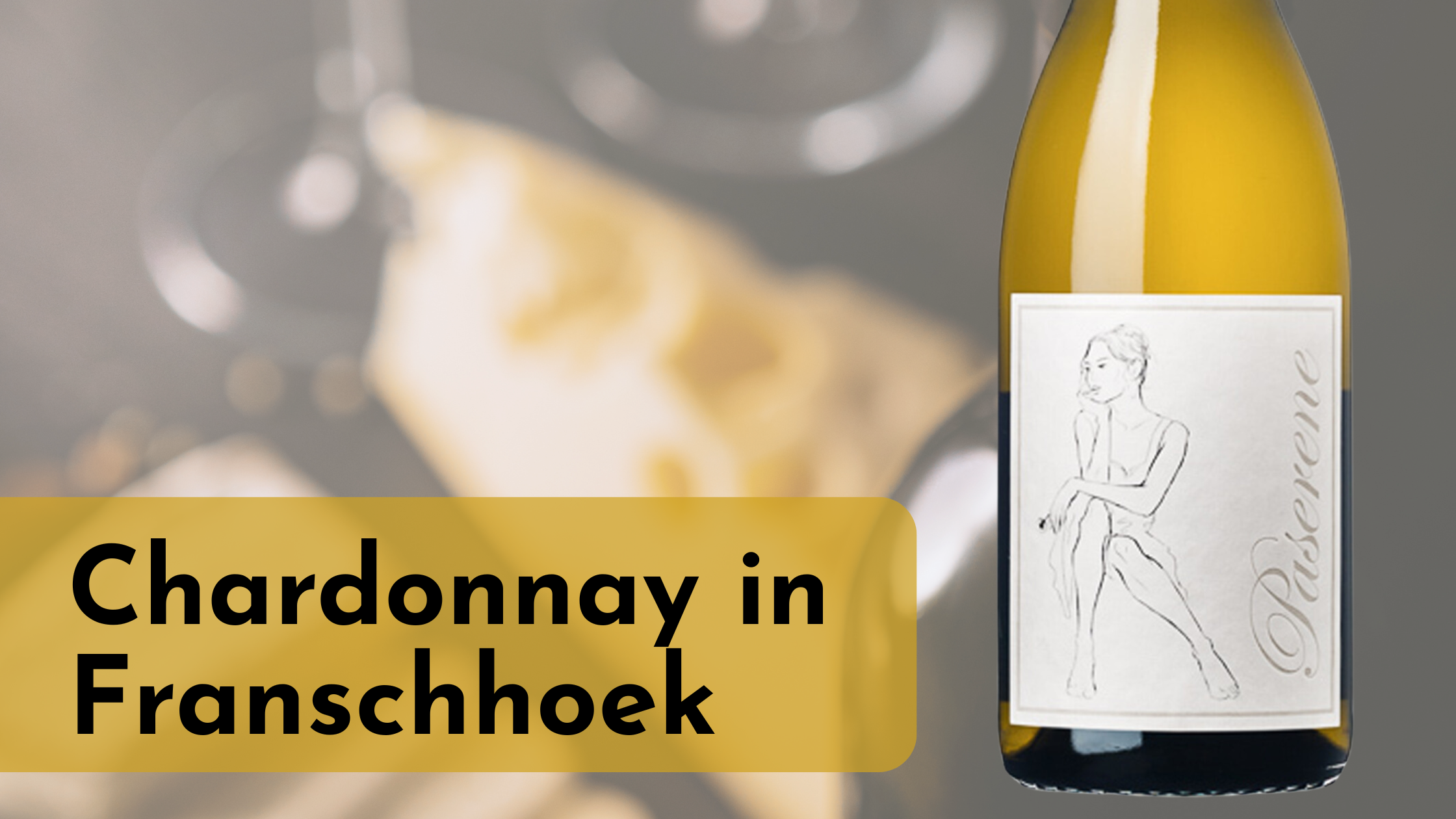
Chardonnay in Franschhoek responds to its surroundings with uncommon sensitivity.
It is a variety that reflects rather than imposes. And in this valley, enclosed by mountains, shaped by ancient soils, moderated by shifting light, reflection becomes its defining quality.
By March, when harvest nears completion, the imprint of the season is already present. Decisions have been made in careful increments. What remains is the translation of the site into wine.
Soil Beneath the Surface
The character of Chardonnay in Franschhoek begins below ground.
Much of the valley rests on decomposed granite and other well-drained soil formations. These soils do not retain water excessively. Instead, they encourage roots to travel deeper in search of nourishment. The vine grows with measured vigour, neither rushed nor indulgent.
Soil influences drainage, nutrient uptake, and ultimately the structure of a wine. As outlined in Wine Folly’s guide to soil types in wine, different soil compositions affect how vines grow and how fruit develops, shaping texture and balance in the finished wine.
In Franschhoek, this influence tends toward structure and clarity. Granite-derived soils often support tension rather than weight, a subtle firmness that carries through the palate.
Light and Elevation
Above the soil, elevation plays its part.
Franschhoek’s vineyards are framed by mountain slopes that capture generous sunlight during the day. In the evening, cooler air descends into the valley, slowing respiration in the vine and helping preserve natural freshness.
For Chardonnay, this daily contrast is essential. Warmth deepens flavour; cooler nights maintain composure. The result is equilibrium rather than excess.
In March, this rhythm feels particularly evident. The vineyard stands balanced at the close of ripening. Fruit has reached maturity without surrendering its line.
Harvest with Restraint
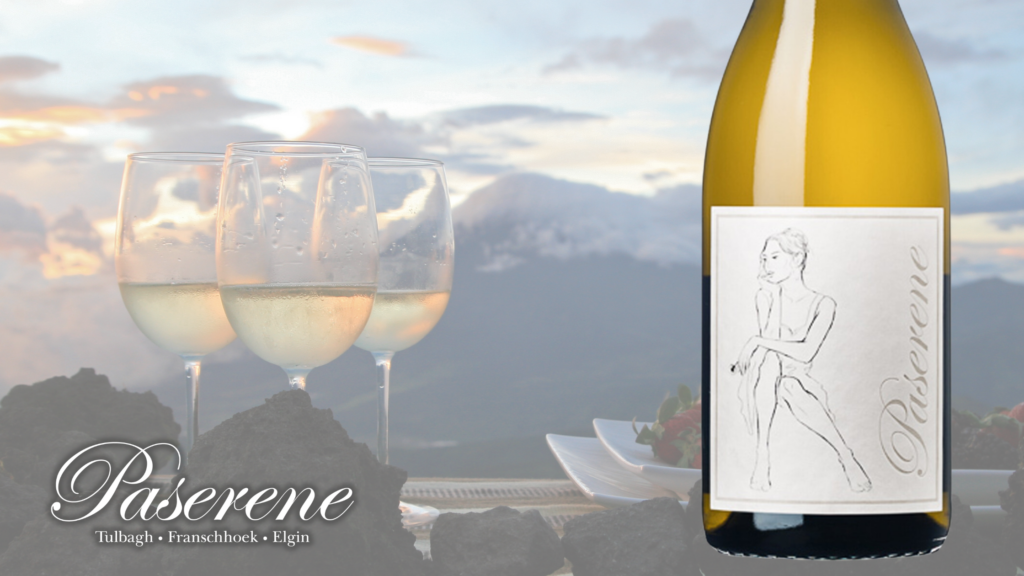
The timing of harvest defines Chardonnay in Franschhoek as much as soil or climate.
Pick too soon, and the wine may feel austere. Wait too long, and it may lose precision. The decision rests not on numbers alone, but on tasting, berry skins, pulp, acidity, texture.
Hand harvesting in the early morning preserves the fruit’s natural condition. In the cellar, the approach remains measured. Fermentation is guided with attention rather than force. Oak, when used, supports rather than dominates.
Across our estate collection, this philosophy remains constant: allow the vineyard to speak clearly.
Texture as Signature
Chardonnay is often described in terms of flavour. Yet its true identity lies in texture.
Chardonnay in Franschhoek tends toward continuity. It moves steadily across the palate. Freshness supports the structure. The finish feels resolved rather than emphatic.
This composure reflects the valley itself. Franschhoek does not overwhelm. It surrounds.
Those who visit us for a tasting often remark on the sense of calm that defines the landscape. The wine mirrors this restraint. Nothing feels hurried. Nothing feels overstated.
The Mark of March
By the time March settles into the valley, the season’s decisions are complete. The vineyard has offered what it will. The cellar begins its quieter work of patience.
Each vintage introduces variation, a slightly warmer season lending breadth, a cooler harvest window preserving sharper definition. Yet beneath these differences lies a steady framework of soil, mountain, and light.
Chardonnay in Franschhoek carries this framework forward.
It is shaped less by intervention than by environment. Less by ambition than by attention. Beneath the surface, roots anchor into ancient ground. Above, mountain air tempers the sun. Between these forces, the grape finds its balance.
And in that balance, the character of place endures — clear, structured, and quietly confident.