There is a particular kind of stillness that arrives in Franschhoek in May. The valley has begun to draw inward. The mornings are cooler, the light has softened, and the vineyards hold the last deep colours of autumn before winter takes the stage. It is a season that does not ask to be hurried. It invites you to look again.
A wine tasting can be approached in much the same way. Not as a procession of glasses, nor as a search for a favourite before the moment has settled, but as a quiet exchange. Wine changes as it stands in the glass. So do we. A slower tasting gives both enough room.
At Paserene, we have always believed that wine is not only something to be evaluated. It is something to be received. The vineyard, the cellar, the season, the hand that guided the fruit, and the company around the table all become part of the experience. A tasting becomes most memorable when it feels less like a schedule and more like an arrival.
Letting the valley enter the glass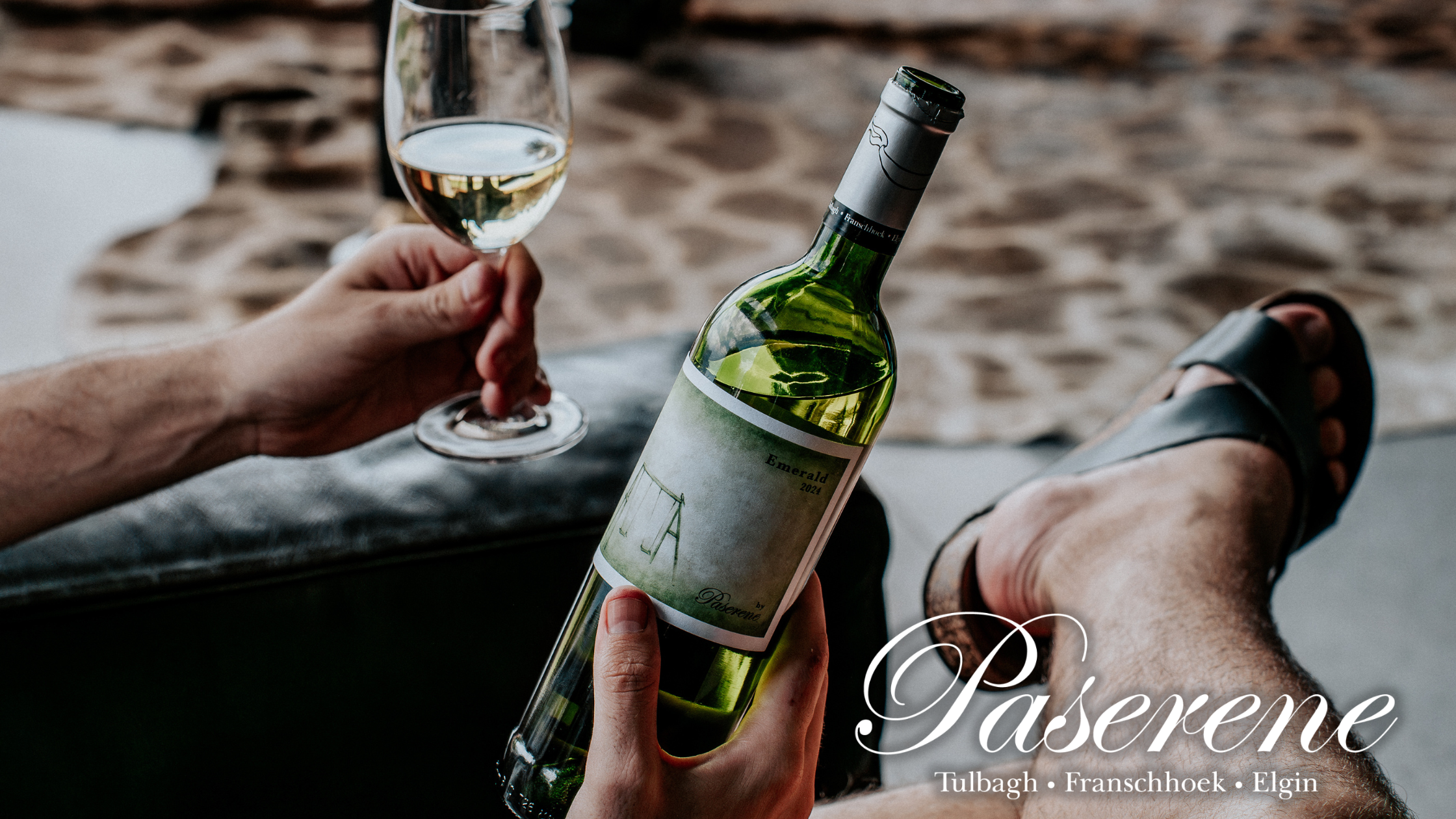
Franschhoek is generous with beauty, but it is not a passive backdrop. The mountains gather the changing weather. The afternoon sun moves across slopes and water. The air carries traces of earth, leaves, woodsmoke, and rain. Even before the first pour, the senses are already awake.
This is why a slower approach matters. When you sit down for wine tasting in Franschhoek, the glass is only one part of the story. The valley helps frame it. A white wine may feel different in the cool of the morning than it does in late afternoon light. A red may seem firmer at first, then quieter and more open as it rests beside you.
There is no need to force meaning from the moment. Sometimes the most honest response is simple: this feels calm, or bright, or grounded. Wine language can be beautiful, but it should not stand between you and the glass. The first impression is often the truest one.
A slower tasting begins with attention
Attention is not complicated. It begins by noticing what is already there. The way the wine moves in the glass. The clarity or depth of colour. The first scent before you search for names. The feel of the wine across the palate. Whether it moves lightly, firmly, gently, or with quiet persistence.
For those who enjoy a little structure, Wine Folly’s guide to basic wine characteristics offers a clear introduction to sweetness, acidity, tannin, alcohol, and body. These are useful markers, but they are not the destination. They simply help you name what you are sensing.
In a slow tasting, you might return to the same glass after a few minutes and find that it has shifted. A wine that first seemed reserved may begin to speak more openly. Another may feel complete from the first sip, then hold its shape with steadiness. These changes are part of the pleasure. They remind us that wine is alive in the moment of serving.
Tasting fewer wines with more presence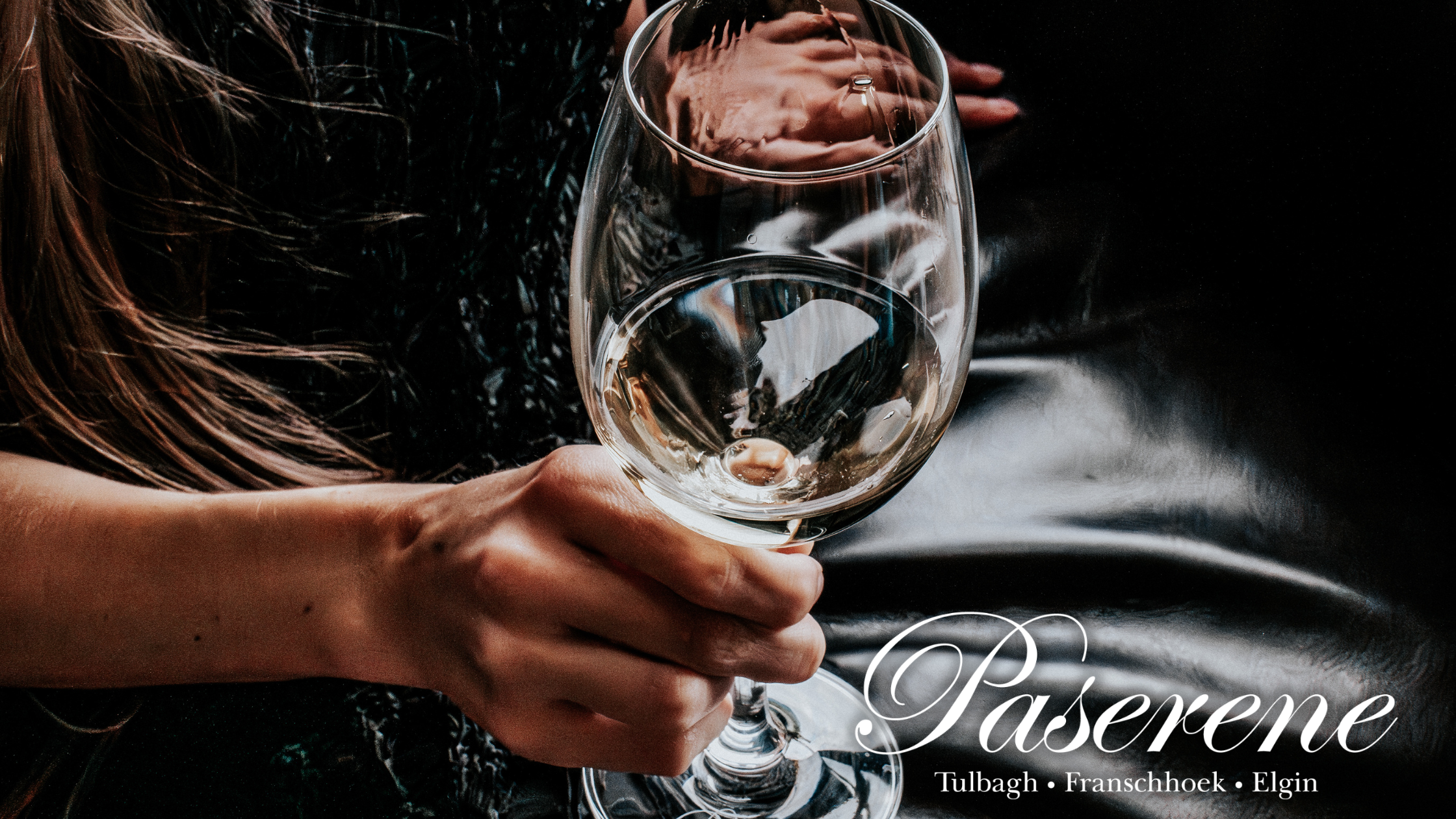
There can be great pleasure in breadth, but there is also something quietly luxurious about restraint. Tasting fewer wines, with more time between them, allows each one to keep its identity. You remember not only what was in the glass, but how it made the table feel.
This is especially true when wines are made with patience. Some are shaped for brightness and immediacy; others carry more structure and ask for a little more time. Neither approach is better. They simply offer different kinds of conversation.
A slower tasting also makes room for silence. Not every sip needs a conclusion. Not every glass needs to be compared. When the pace softens, you begin to notice the details that are usually missed: the temperature of the glass in your hand, the quiet length of a finish, the way a wine settles differently after food or conversation.
The role of the host
A good host does not overwhelm the table with certainty. The role is to guide without crowding the experience. We may speak about the origin of a wine, the intention behind a range, or the way a season shaped the cellar’s choices, but the guest’s own encounter remains central.
This is one of the pleasures of our cellar door. It gives us a chance to welcome you into the world behind the bottle without turning that world into performance. The story is shared, then the wine is allowed to stand on its own.
For some visitors, the most meaningful part of a tasting is discovering a wine they would not usually choose. For others, it is hearing a small detail about place or craft that changes how they understand the glass. Often, it is simply the feeling of being given enough time.
May as a season of deeper tasting
May suits this kind of experience. Summer’s brightness has softened, and the valley begins to move at a more reflective pace. The days are still generous, but there is a cool edge in the air. It is a month for longer conversations, quieter tables, and wines that are allowed to unfold slowly.
If you are visiting Franschhoek in May, leave space around your tasting. Arrive without the need to rush to the next appointment. Sit with the view for a few moments before the first glass. Let the wines mark the afternoon gently rather than fill it completely.
The quiet art of slow wine tasting is not a technique. It is a posture. It asks only that you come with attention, receive what is offered, and allow the valley, the wine, and the hour to meet you where you are.