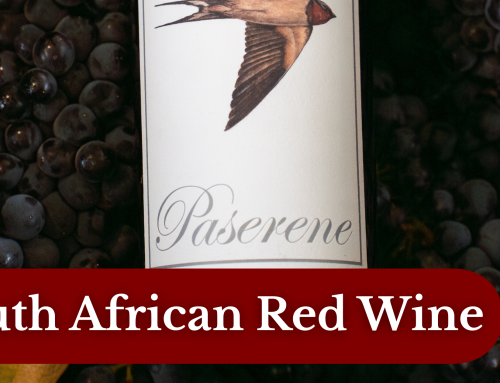
Temperature is a quiet hand at the table. It does not announce itself as loudly as a label, a vintage, or the first scent from the glass, yet it changes almost everything. A wine served too cold can feel closed and distant. A wine served too warm can seem broader than it truly is, its edges blurred before it has had the chance to show balance.
In May, this becomes especially noticeable. Across South Africa, the days begin to lean toward winter. Kitchens are warmer in the evening, fireplaces return to use, and bottles often move from a cool room to a heated table. The old phrase “room temperature” becomes less useful when the room itself changes from house to house.
At Paserene, we think of serving temperature not as a rulebook, but as part of hospitality. It is one of the small acts that helps a wine arrive well. The aim is not perfection. It is simply to give the glass the conditions it needs to speak clearly.
Why cooler is not always better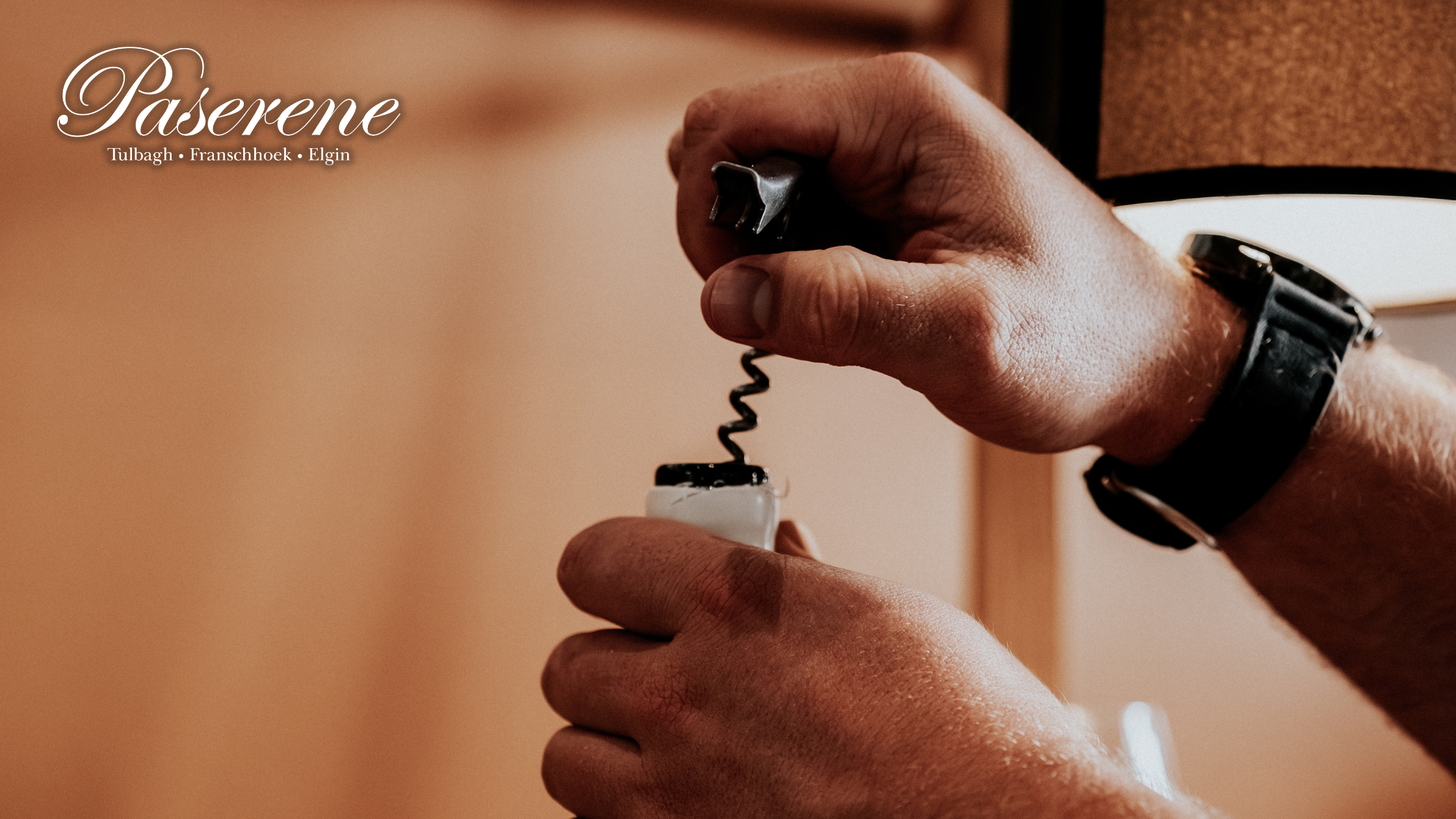
White wine is often served straight from the fridge, especially in warmer months. This can be refreshing, but deep cold can also narrow a wine. Aromas become quieter. Texture feels firmer. The palate notices chill before it notices shape.
A wine such as Paserene Chardonnay 2021 may be best approached with patience rather than haste. Without making a ceremony of it, allow a bottle a little time after leaving the fridge. A few minutes can change the feel of the wine, helping it move from brightness alone toward a fuller expression of texture and line.
This does not mean white wine should be warm. It means it should not be silenced. The right temperature gives freshness enough lift while still allowing the wine’s deeper structure to be felt. In cooler months, this balance is easier to find because the table itself is less hot and the glass warms more slowly.
Red wine and the myth of room temperature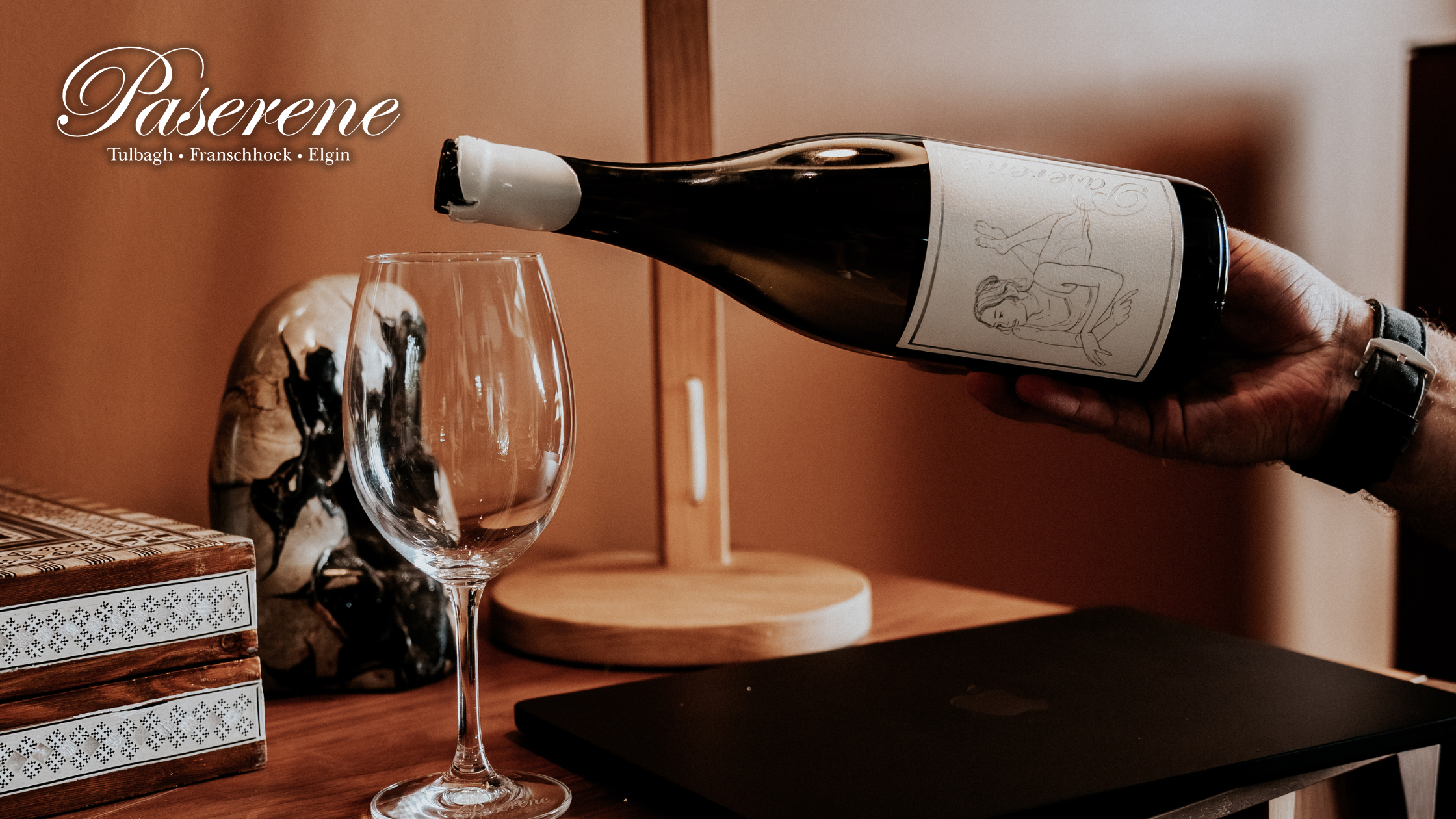
Red wine is often treated as though it belongs entirely outside the world of chill. Yet many reds are more graceful when served slightly cooler than a modern room. Warmth can make alcohol feel more pronounced and soften the outline of the wine too quickly. A gentle coolness can keep structure intact.
This is particularly useful in South African homes where winter evenings may begin cool, then warm quickly once a fire is lit or a kitchen fills with guests. A bottle standing near heat can shift more than expected. The wine may lose definition before the meal has properly begun.
Jancis Robinson’s guide to serving wine offers a helpful reminder that serving temperature is not a single fixed idea, but a range shaped by wine style and setting. For the host, this is liberating. You are not chasing a number as much as listening to the wine.
Let the glass guide you
The simplest way to understand temperature is to taste the wine as it changes. Pour a small amount and notice the first impression. If the wine feels tight, cold, and reluctant, let it stand. If it feels heavy, warm, or blurred, place the bottle somewhere cooler for a short while.
This kind of adjustment does not require equipment. It requires attention. A bottle sleeve, an ice bucket used lightly, a cooler corner of the room, or a few minutes away from the fridge can be enough. The glass will tell you whether the wine is becoming more expressive or less composed.
In this way, serving temperature becomes part of the conversation rather than a technical interruption. You begin to notice how a wine moves from first pour to final sip. It may open with the meal, settle as the room warms, or find its most beautiful balance halfway through the evening.
Temperature as an act of care
There is something generous in serving a wine thoughtfully. It shows that the bottle has not simply been opened, but welcomed. The same care that goes into choosing the food, setting the table, or lighting the room can be extended to the temperature of the wine.
This is not about formality. Some of the most memorable bottles are opened quietly, without ceremony, among people who are fully at ease. But ease is often supported by small acts that go unnoticed. The glass is at the right point, the table is not rushed, and the wine feels settled in its place.
If you buy wine online for a winter gathering, consider where the bottles will rest before serving. Give whites enough time to come forward. Keep reds away from heat. Open the evening with attention, then allow the wines to adjust naturally with the table.
When a wine is served with this kind of care, it often feels more generous without becoming louder. The aromas are given space, the palate keeps its line, and the final impression is one of ease. It is a small adjustment, but small adjustments are often what make hospitality feel personal.
A May table
May is a good month to become more aware of these details. The season sits between autumn’s last warmth and winter’s deeper quiet. It asks for food with more substance, rooms with softer light, and wines served with a little more thought.
A well-served wine does not need to draw attention to its temperature. It simply feels right. The freshness is present. The texture is clear. The wine’s shape is easy to follow from the first sip to the last.
That is the quiet purpose of serving temperature. Not to impress, not to instruct, but to remove what stands between the wine and its most natural expression.