Rosé is so often filed under summer that we forget how well it behaves once the season turns. In South Africa, April is not an ending so much as a quiet adjustment. The sharp brightness of high summer eases. Lunches stretch longer. Evenings invite a shawl, not a fan. Food becomes a little deeper, but not yet severe. This is precisely where rosé can feel most useful: not as a poolside impulse, but as a composed wine for the in-between table.
At Paserene, that conversation comes into focus through Elements Rosie 2025, a rosé the estate describes as fresh, vibrant and finely textured. It is made from Mourvèdre, Syrah and Malbec sourced from the Western Cape, gently pressed for minimal skin contact, fermented in stainless steel to preserve purity, and aged for a year before a further four months in bottle. Those details matter because they suggest intention rather than haste. Rosie is not trying to be ornamental. It is built to be bright, yes, but also poised.
Why autumn changes the case for rosé
Paserene’s own recent reflection on autumn in Franschhoek notes that March is the moment when the valley exhales: the urgency of harvest gives way to quieter observation, softer light and a more contemplative rhythm. That shift is useful to keep in mind when thinking about what to pour in April. The table changes with the season. So does the kind of rosé that makes sense. A serious autumn rosé does not need to be powerful. It needs line, freshness and enough texture to live beside food rather than merely precede it.
Rosie 2025 seems especially well suited to that role. The estate notes juicy red fruit, citrus lift and a silky palate, with flavours of strawberries and watermelon balanced by lively acidity. It is also explicitly framed as best enjoyed now or within the next three years, which makes it a wine for present-tense pleasure rather than reverence. That is part of its appeal. Autumn entertaining often asks for a bottle with confidence but without formality.
What makes Rosie work at the table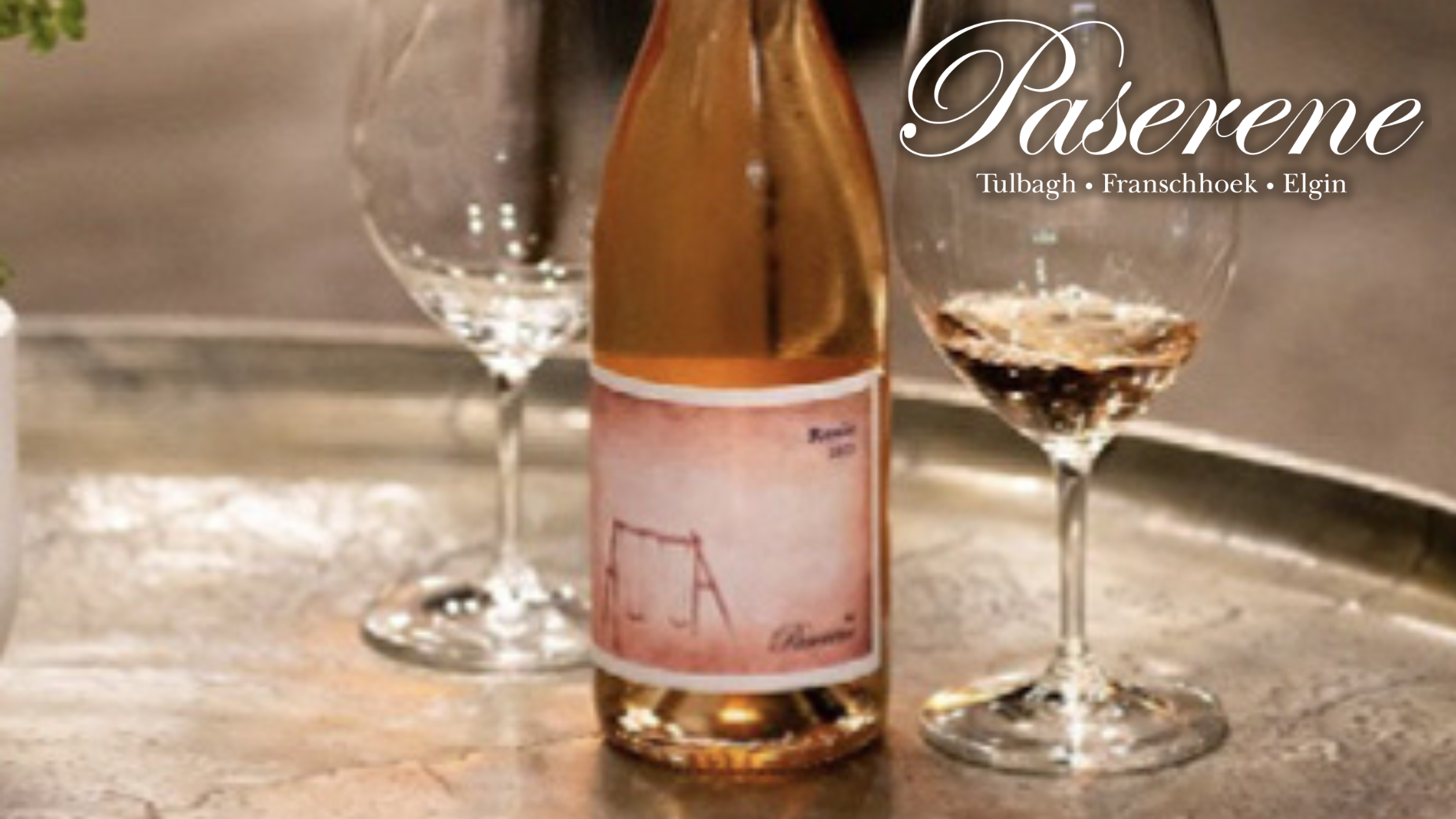
According to Decanter’s guide to rosé with food, dry rosé is far more versatile than many drinkers assume. That versatility rests on a familiar set of strengths: freshness, moderate body, and the ability to handle dishes that sit between the lighter world of white wine and the more assertive territory of reds. Rosie 2025 falls neatly into that useful space.
Paserene suggests pairings such as burrata with fresh tomatoes, charcuterie with soft cheeses, and fresh berry salad. Those are natural fits, but in a South African home the wine can also move comfortably across the broader autumn table: roast chicken served warm rather than hot, salmon or trout, platters with cured meat and stone fruit, mushroom tart, or a late lunch with tomatoes still holding onto summer sweetness. Rosie has enough energy to refresh, yet enough softness to avoid feeling sharp.
Its composition helps. Mourvèdre, Syrah and Malbec are not grapes that force rosé into one narrow style. In this case, Paserene presents them as a source of fruit intensity, crisp acidity and silky texture. The result sounds less confectionary than many people fear from pink wine, and more gastronomic than the category’s stereotype allows. That is a useful distinction for anyone searching for rosé wine in South Africa with a little more substance.
A rosé that still feels like Paserene
One of the quiet risks with rosé is that it can feel detached from a producer’s identity, as though it exists only to satisfy seasonal demand. That does not seem to be the intention here. On the Paserene estate story page, the winery describes itself as a boutique Franschhoek producer built around authenticity, creativity and a strong sense of place and people. Rosie sits comfortably within that idea. Even in a more playful register, it still feels composed, considered and linked to the estate’s broader voice.
That matters commercially because a bottle like this often serves as an introduction. Some people will arrive at Paserene through Marathon or Chardonnay. Others begin with the lighter edge of the range and only later move deeper into the cellar. Rosie is persuasive in that role because it offers immediacy without feeling slight. It can be bought for a weekend lunch and still leave a meaningful impression of the house style.
Why rosé belongs on the South African autumn table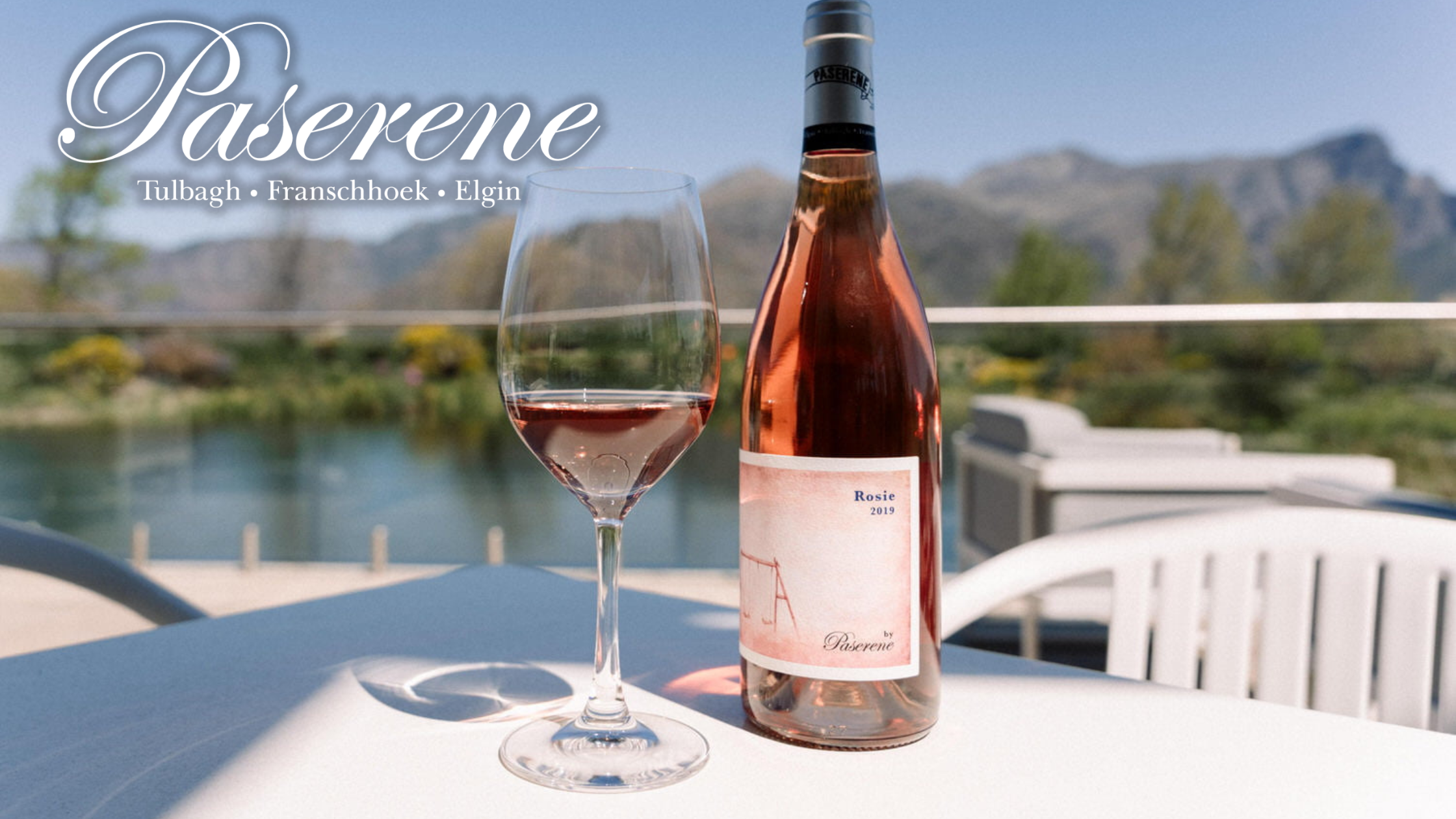
South African autumn is unusually kind to rosé. We are not yet in the heart of winter, but summer’s appetite for very cold, very simple drinking has passed. Meals become broader. Hosting becomes more relaxed. Guests linger longer. A wine that can travel from aperitif to food suddenly becomes very valuable. Rosé, especially one with freshness and texture in balance, answers that need with unusual grace.
There is also a mood component that should not be underestimated. Red wine can feel too early in the season on a warm afternoon. White wine can sometimes seem too narrow once the menu deepens. Rosé lives beautifully in the middle. It carries colour, fruit and ease, but also enough seriousness for shared plates and conversation that drifts on. In that sense it mirrors the season itself: neither bright summer nor full winter, but something more nuanced.
When to buy, when to pour
If your search is for a rosé that suits a single large celebration, Rosie may not ask for ceremony. Its charm lies elsewhere. It is the bottle for a long Friday lunch, for a Sunday table with salads and charcuterie, for those first cooler evenings when a red still feels a little heavy. It is also a useful bottle to have on hand precisely because it is so undemanding in the best sense: easy to open, easy to pair, and quietly elegant.
For anyone looking to buy rosé wine in South Africa without defaulting to something generic, Paserene Rosie 2025 offers a more grounded answer. The Western Cape fruit, the restrained winemaking and the estate’s calm luxury all pull in the same direction. This is not rosé as afterthought. It is rosé with timing, and timing is exactly what autumn is about.
The season asks for wines that understand transition. Rosie does. It keeps summer’s brightness, but lets it soften. It belongs with food, but does not demand a menu. And it gives the April table something that is often overlooked in wine: ease with character. That is why rosé still belongs on the autumn table, and why Paserene’s expression feels particularly convincing right now.
FAQs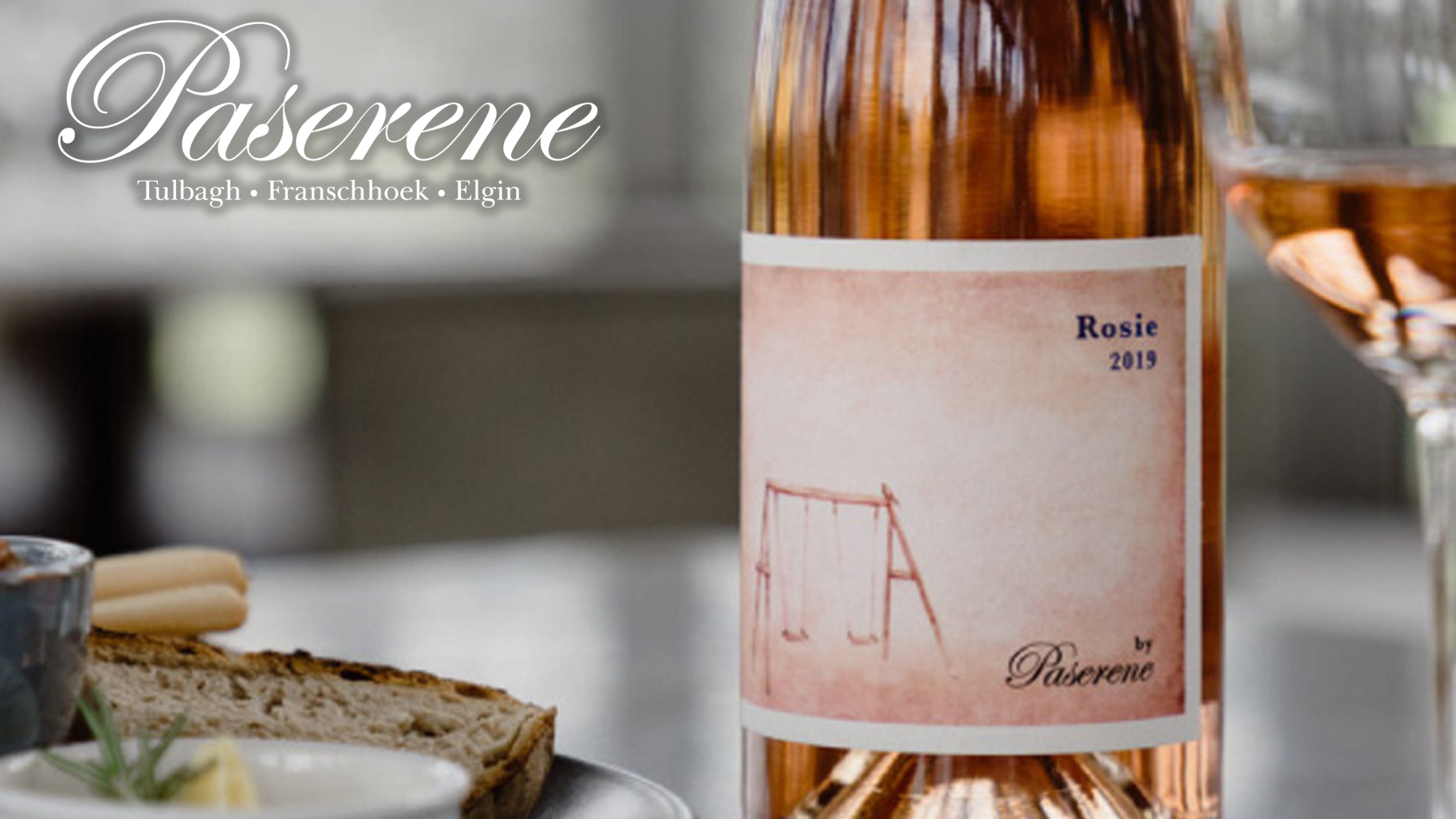
Is rosé a good wine for autumn in South Africa?
Yes. A dry, balanced rosé can work especially well in South African autumn because it bridges warmer afternoons and richer seasonal food with more flexibility than many whites or reds.
What grapes are in Paserene Rosie 2025?
Paserene states that Rosie 2025 is made from 25% Mourvèdre, 48% Syrah and 27% Malbec sourced from the Western Cape.
How is Paserene Rosie 2025 made?
According to the product page, the grapes are gently pressed with minimal skin contact, the wine is fermented in stainless steel, aged for one year, and then given an additional four months in bottle before release.
What food pairs well with Paserene Rosie 2025?
Paserene recommends burrata and tomatoes, charcuterie with soft cheeses, and fresh berry salad. More broadly, it also suits platters, roast chicken, salmon and other relaxed autumn dishes.
How long can Paserene Rosie 2025 be kept?
Paserene advises that Rosie 2025 is best enjoyed now or within the next three years.