There is a moment in March when the valley exhales.
The most urgent harvest days have passed. Crates no longer move in constant rhythm. In the early morning light, you can walk between the rows without the sense of anticipation that defined February. What remains is quieter, but no less meaningful.
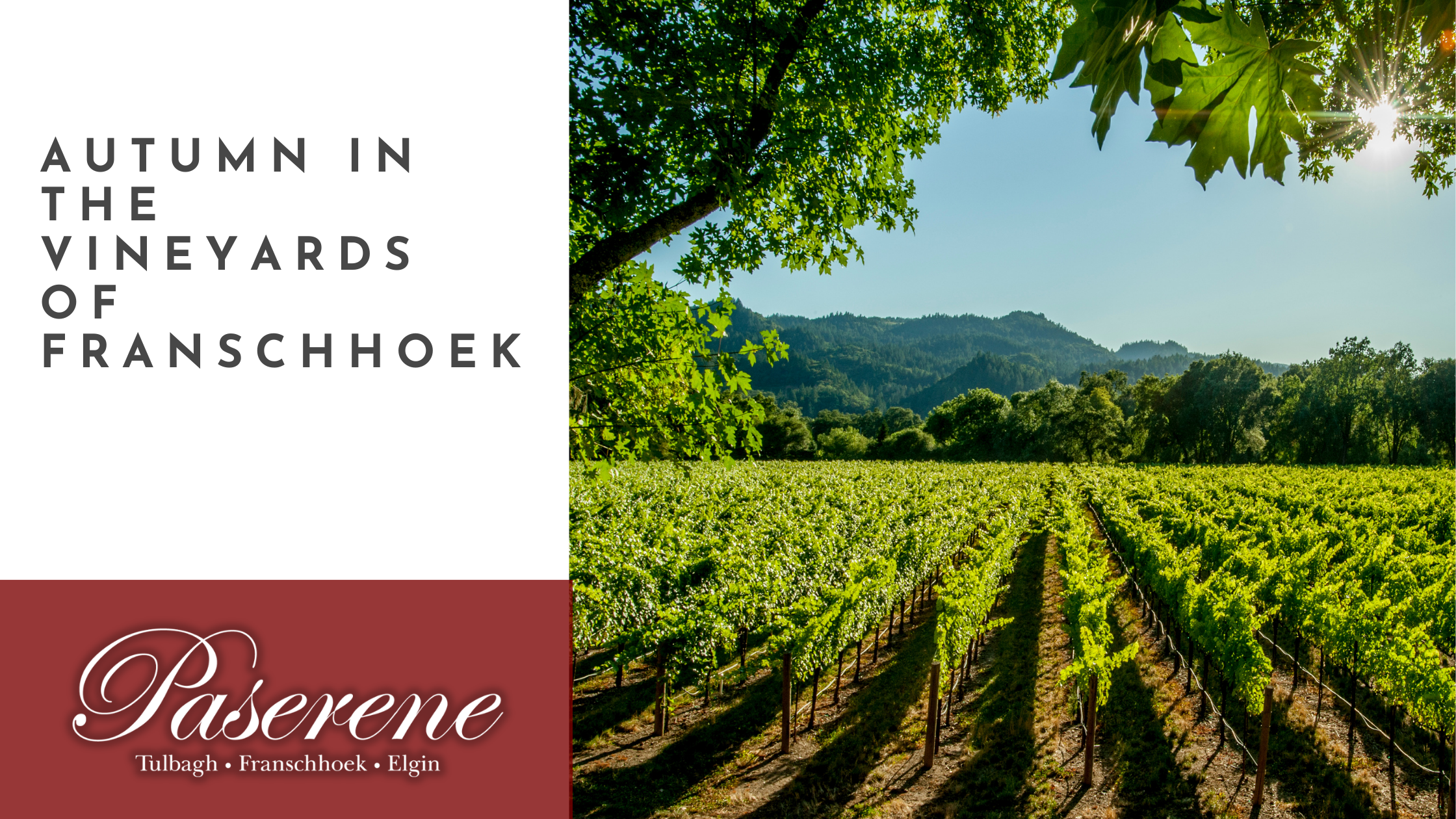
Autumn in Franschhoek arrives gradually. It is felt first in the air — cooler at dawn, softer by late afternoon. The light loses its sharpness. Shadows stretch further across the slopes. The vineyards begin to reveal their structure, no longer concealed by the fullness of fruit.
The Final Pickings
Not every block ripens at the same pace. March often holds the last decisions of the season — those measured moments when patience matters most.
We taste carefully. The berries speak differently now. Flavours are settled rather than bright. Acidity remains, but it has integrated into the fruit. Texture becomes as important as aroma.
The choice of when to harvest is among the most defining decisions in winemaking. As Decanter notes in its discussion of harvest fundamentals, timing influences balance, freshness, and the overall character a wine will carry forward.
There is no formula that replaces attention. Ripeness is not a number alone. It is a meeting point — where structure and flavour feel aligned.
A Shift in Energy
Once the fruit is gathered, the vineyard does not fall silent.
Leaves remain active for a time, continuing photosynthesis and storing energy within the vine’s permanent wood. These reserves will sustain the plant through winter dormancy and support the first fragile growth of spring. Post-harvest care is subtle, but essential.
We walk the rows differently now. We are not searching for ripeness. We are observing health. Canopies must remain intact long enough to do their quiet work. Stress must be managed carefully. Autumn is not an ending, but a preparation.
For those who visit us during this season, perhaps through one of our tasting experiences in Franschhoek, the atmosphere carries this same composure. The pace is unhurried. Conversations linger. The valley feels reflective rather than expectant.
The Landscape in Transition
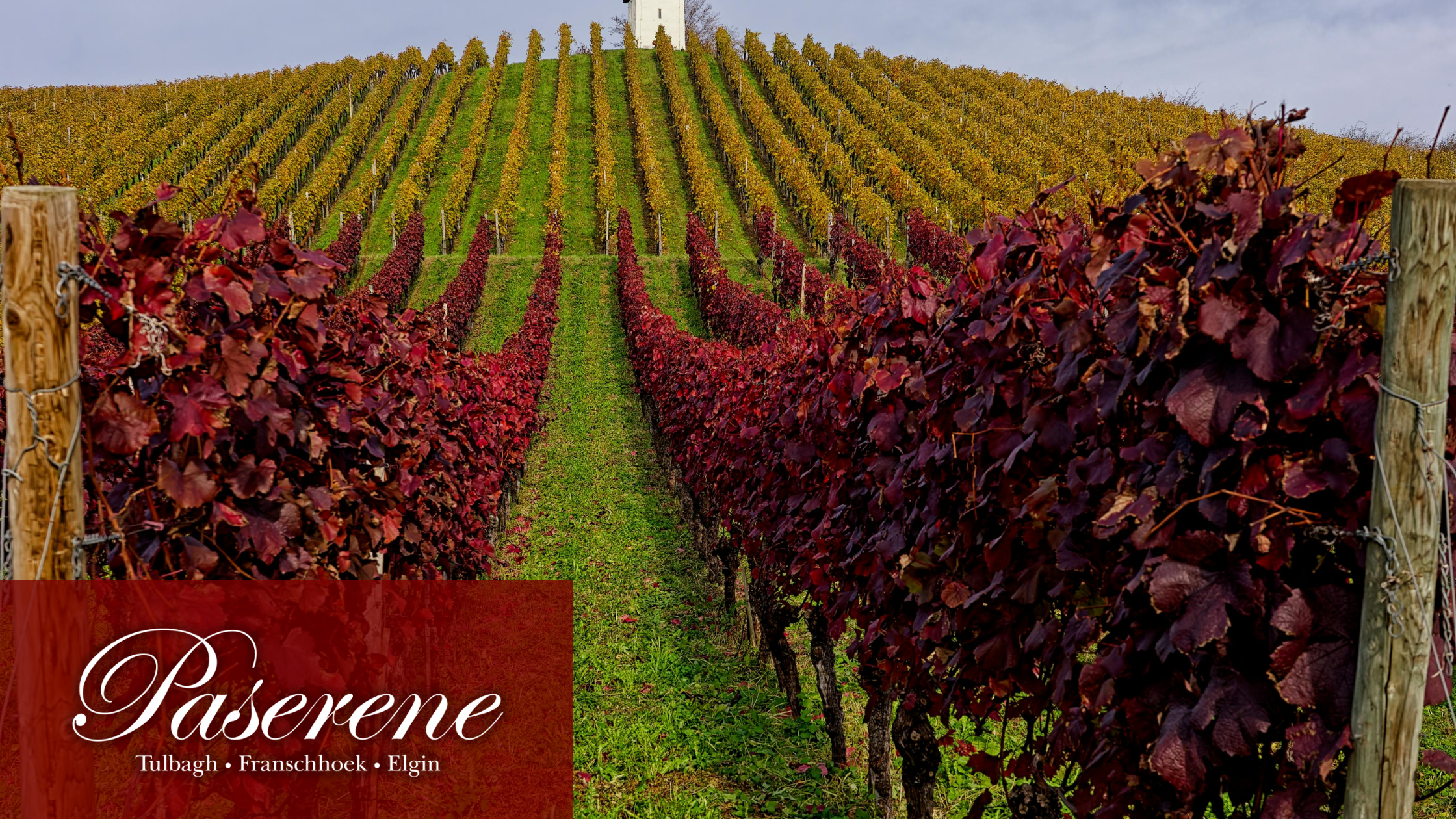
Autumn light reveals nuance.
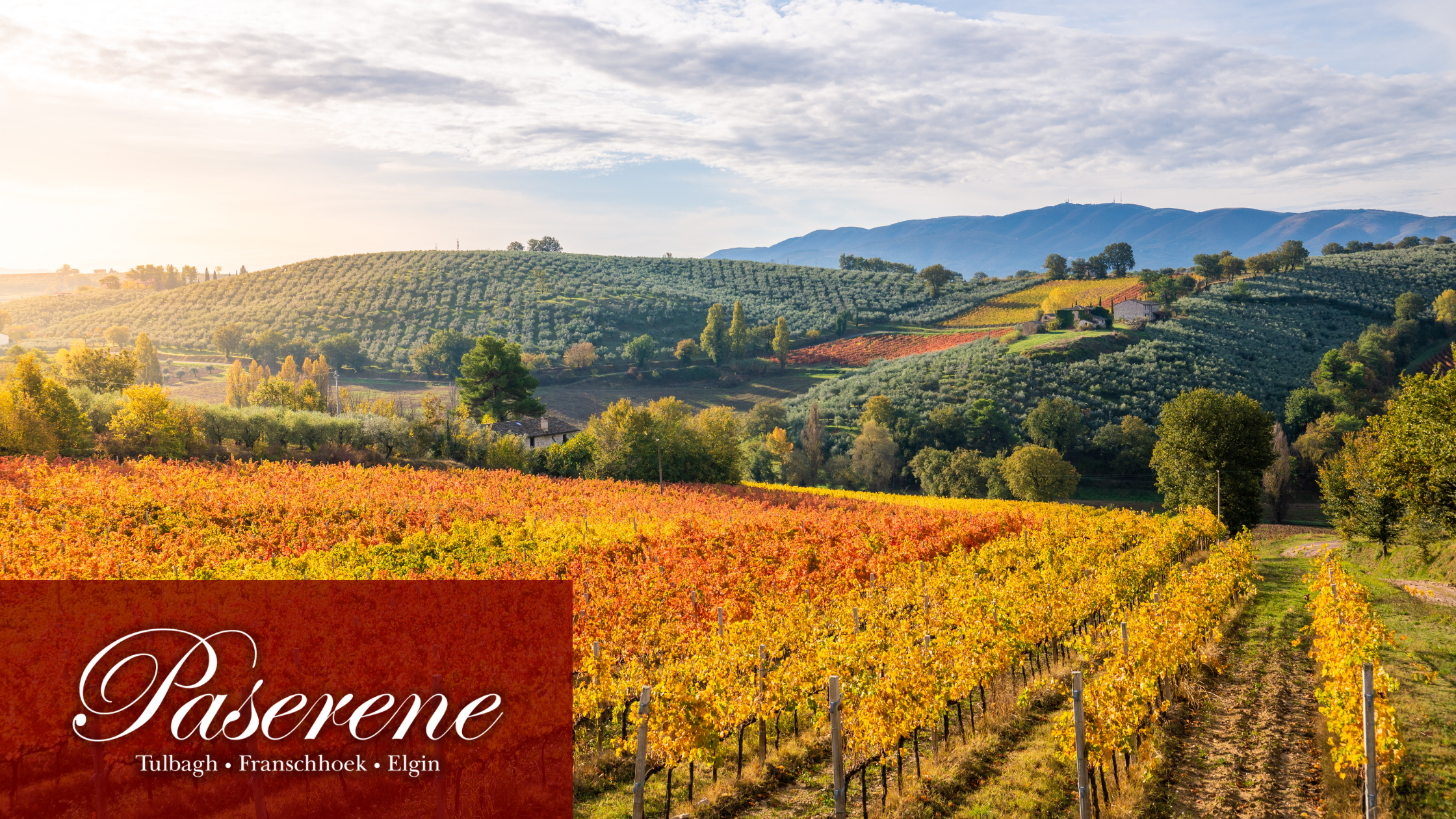
The vivid green of summer begins to mute into softer tones. Hints of gold appear along the edges of leaves. The surrounding mountains seem more defined in the clearer air. There is space to notice detail — the texture of soil underfoot, the geometry of trellised rows, the quiet hum of cellar work continuing behind closed doors.
This is often when guests feel most connected to the estate. Without the visible intensity of peak harvest, the vineyard becomes contemplative. You are able to see its structure, its discipline, its underlying calm.
If you wish to understand more about our philosophy and the land that shapes our wines, you may find it in the story of our estate. Place is never separate from process. It is the foundation beneath it.
In the Cellar
While the vineyard eases, the cellar deepens in focus.
Fermentations progress steadily. Some lots settle quickly; others take time. The atmosphere is concentrated but no longer urgent. Wines begin to show their outline — not in finished form, but in suggestion.
This stage asks for restraint. Intervention is measured. Observation becomes more important than action. The vintage reveals itself slowly, shaped by decisions already made in the vineyard.
March reminds us that wine is not created in a single moment of harvest, but across a continuum of attention. From pruning to picking, from fermentation to maturation, each phase relies on what came before.
A Threshold Month
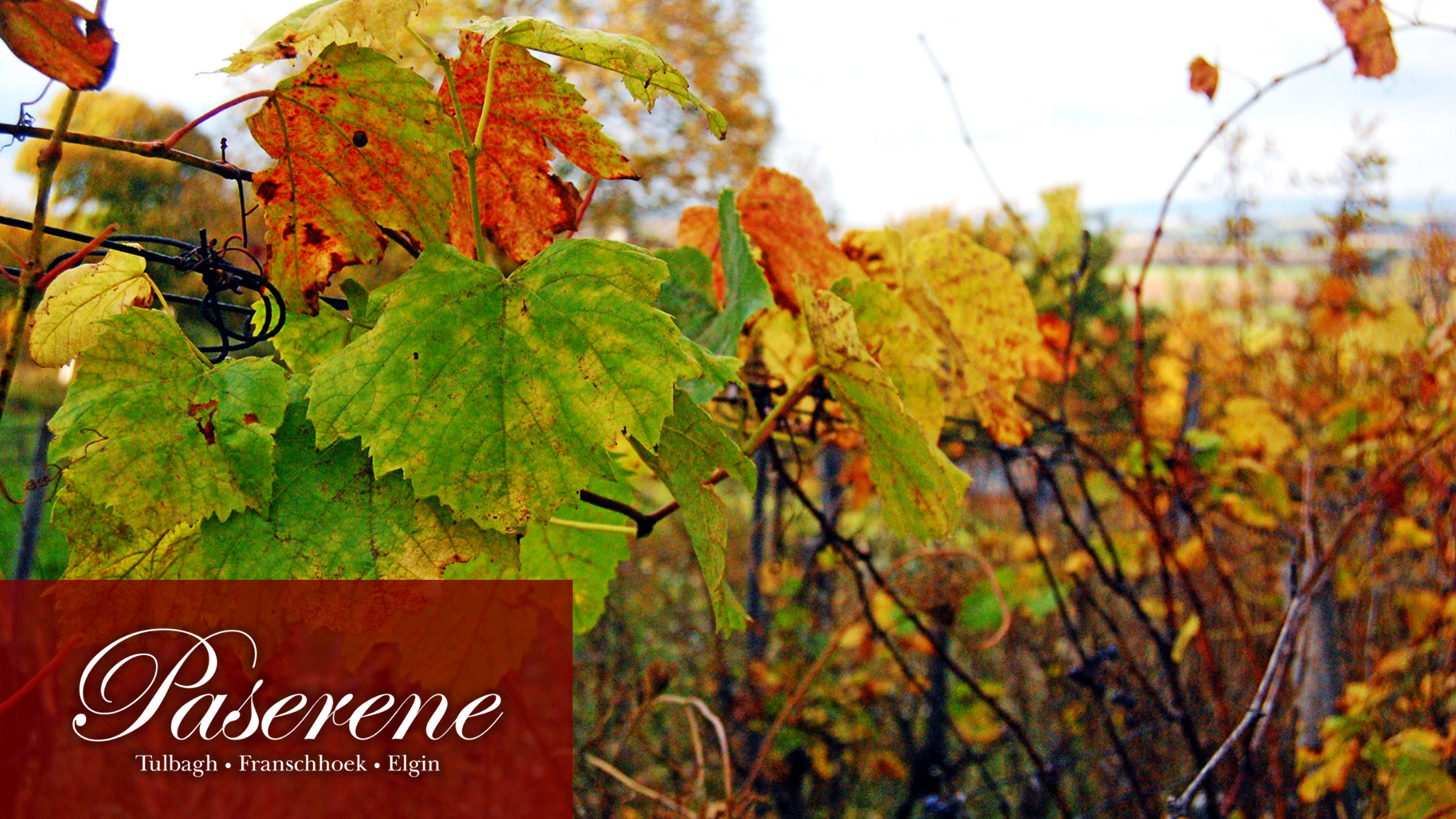
March stands between seasons.
Summer’s brightness lingers, yet autumn’s depth is unmistakable. The vineyard is finishing one cycle while quietly preparing for the next. Soon, leaves will turn decisively gold and fall. Winter will bring stillness. Pruning will follow. And then, in time, the first signs of spring will emerge.
But for now, the valley rests in this in-between state.
There is gratitude in it. A sense of completion without finality. What has been gathered cannot be changed. What lies ahead cannot be fully predicted. All that remains is to care for the vines as they enter rest, and to guide the young wines as they find their shape.
In the softened light of autumn, Franschhoek feels both grounded and expectant, a landscape aware that every ending is simply a quieter beginning.