A Cape Winelands weekend can be planned like a list, or it can be allowed to unfold like a landscape. The first approach counts stops. The second notices light, hunger, conversation, and the way a glass of wine can gather a day into focus.
There is pleasure in doing less here. The mountains ask to be looked at properly. Meals deserve time. Wines are better when they are not treated as checkpoints. A slower weekend does not mean an empty one. It means every part has room to be felt.

Start with the shape of the weekend
Before choosing estates or restaurants, decide what kind of rhythm you want. A Friday arrival may call for one gentle glass and an early dinner. Saturday can hold a seated tasting, a long lunch, and a late afternoon walk. Sunday may be best left lighter, with one final stop before the road home.
This shape matters because wine tasting is sensory. It asks for attention, and attention has limits. When the day is too full, even beautiful places begin to blur. When there is space, each estate keeps its own outline.
Let wine and food belong together
Wine is often most memorable when it is part of a meal. A tasting can introduce a style, but a table shows how a wine lives. In the Cape Winelands, where food, farming, and hospitality sit close together, this connection feels natural.
Plan at least one meal that is not hurried. It need not be elaborate. What matters is that the food gives the wine context and gives you a place to settle. A lunch that stretches gently into the afternoon can become the centre of the weekend.

Choose tasting rooms with care
A refined wine weekend is not measured by how many tasting rooms you enter. It is shaped by the quality of attention each one receives. Choose places with a tone that suits you: quiet, architectural, pastoral, intimate, or generous.
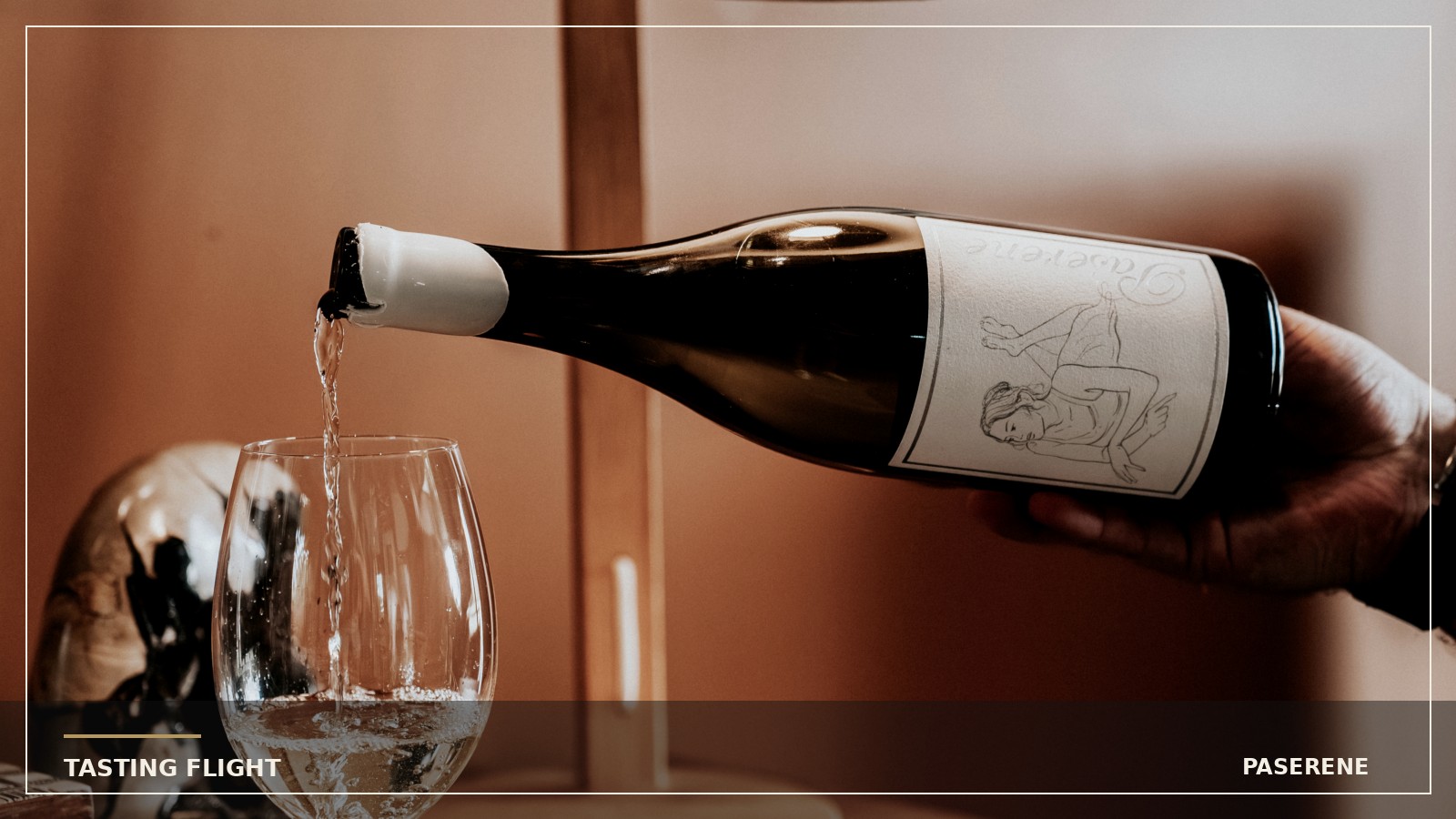
At Paserene, our Franschhoek wine tasting experience is designed for visitors who want the estate, the wines, and the valley to be experienced together. A tasting should feel like a welcome, not a transaction.
Understand the region, then leave room for surprise
The Cape Winelands are not a single mood. They include coastal influence, inland warmth, mountain valleys, old vineyards, and changing soils. For a broad educational overview, the Wine Folly guide to South African wine offers a useful map of the country’s wine landscape.
Once you have enough context, let the weekend remain open. Ask a good question in the tasting room. Follow a recommendation for lunch. Pause at a view you did not plan. Slow travel depends on this kind of listening.
Walk, look, and reset the palate
Between tastings, step outside. A vineyard path, a garden edge, or a quiet view across the valley can reset the senses more effectively than another immediate pour. The point is not only moderation, though that matters. It is also perception.
Wine belongs to place, and place is easier to understand when you have felt the air. Notice the slope of the land, the winter vines, the movement of cloud over the mountains. These impressions may not be technical, but they deepen the glass.
Keep the evenings simple
After a day of tasting, a quiet evening can feel luxurious. Choose a dinner that allows conversation to continue without strain. Drink less than you think you need. Let water, bread, and time do their work.
A Cape Winelands weekend should leave you restored, not overwhelmed. The elegance lies in pacing. One beautiful bottle with dinner may be more memorable than several opened without attention.
Take a piece of the weekend home
A bottle bought during a visit carries more than its label. It holds the weather of the day, the room in which it was poured, and the person who shared its story. Opening it later can return you to the valley in a quiet way.
You can revisit our available wines through the Paserene online shop after your weekend, whether you are choosing something remembered from a tasting or planning a future table.
A simple weekend rhythm
Friday: arrive gently, settle in, and choose one unhurried dinner. Saturday: enjoy one seated tasting in the morning or late afternoon, build the day around lunch, and leave time for a walk. Sunday: keep the final tasting light and let the road home be part of the unwinding.
This rhythm is only a suggestion. The more important principle is to leave space between pleasures. Wine, food, and scenery are all richer when they are not crowded.
FAQ
How many tastings should I book for a Cape Winelands weekend?
For a slower weekend, one or two tastings a day is usually enough. This leaves room for meals, travel, and the landscape itself.
Is Franschhoek suited to slow travel?
Yes. Franschhoek’s scale, mountain setting, restaurants, and tasting rooms make it well suited to a slower, more considered weekend.
Should wine or food come first when planning?
Begin with the meal or tasting that matters most, then build around it. A weekend feels calmer when one centrepiece shapes the day.
What should I take home from a wine weekend?
Choose a bottle connected to a real moment: a tasting, a meal, a view, or a conversation. Memory is often the best guide.
The art of leaving unfilled space
The Cape Winelands reward those who do not hurry through them. A good weekend here has pauses in it: between tastings, between courses, between the last glass and the evening light. In those pauses, wine becomes more than something to taste. It becomes part of the way the place is remembered.