A boutique wine estate is not defined only by size. Scale matters, certainly, but smallness alone is not the point. What makes a boutique estate memorable is the feeling that every decision has remained close to the people who made it. The vineyard, the cellar, the tasting room, and the bottle all seem to speak in the same voice.
South Africa has a broad and varied wine landscape, from historic regions to younger sites still finding their language. Within that landscape, boutique estates offer a particular kind of encounter. They invite you to come nearer. Not louder, not grander, but nearer.
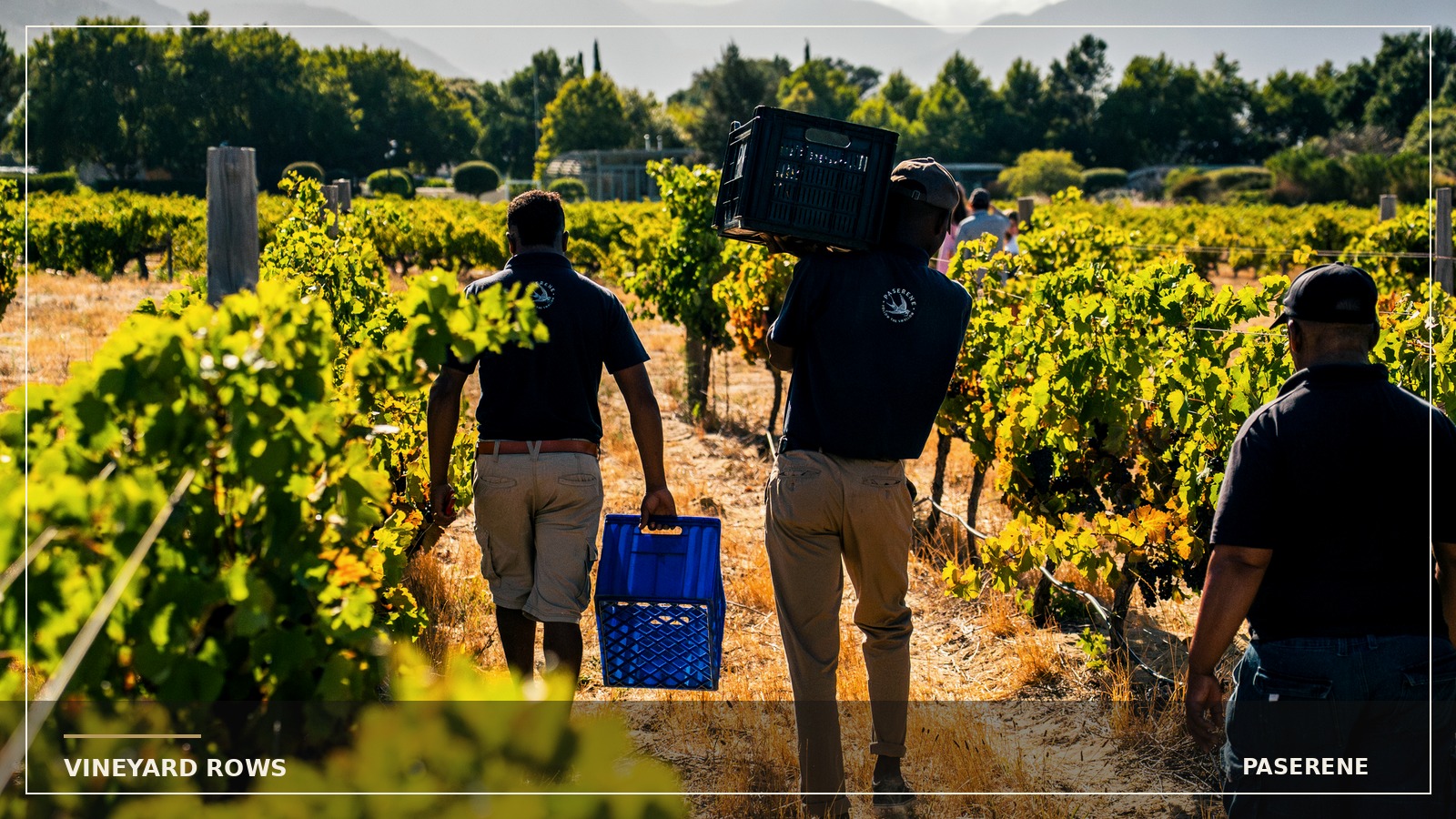
A clearer sense of identity
At a smaller estate, identity is harder to blur. There are fewer places to hide and fewer reasons to imitate. The wines, the architecture, the pace of service, and the way a guest is received all begin to form a single impression.
This does not mean everything must be rustic or handmade in appearance. Boutique can also be precise, calm, and quietly refined. What matters is coherence. You should feel that the estate knows what it is, and that it is not trying to be everywhere at once.
Site expression in a more intimate frame
South African wine is shaped by a remarkable range of conditions. Coastal influence, mountain shadow, soil, wind, and elevation can change the character of a vineyard over short distances. For a broad introduction to the country’s wine regions, the Wine Folly overview of South African wine offers a useful starting point.
A boutique estate can make these differences easier to sense because the frame is smaller. You are not tasting an abstract region. You are tasting a place with edges: a slope, a block, a cellar, a view, a way of working.
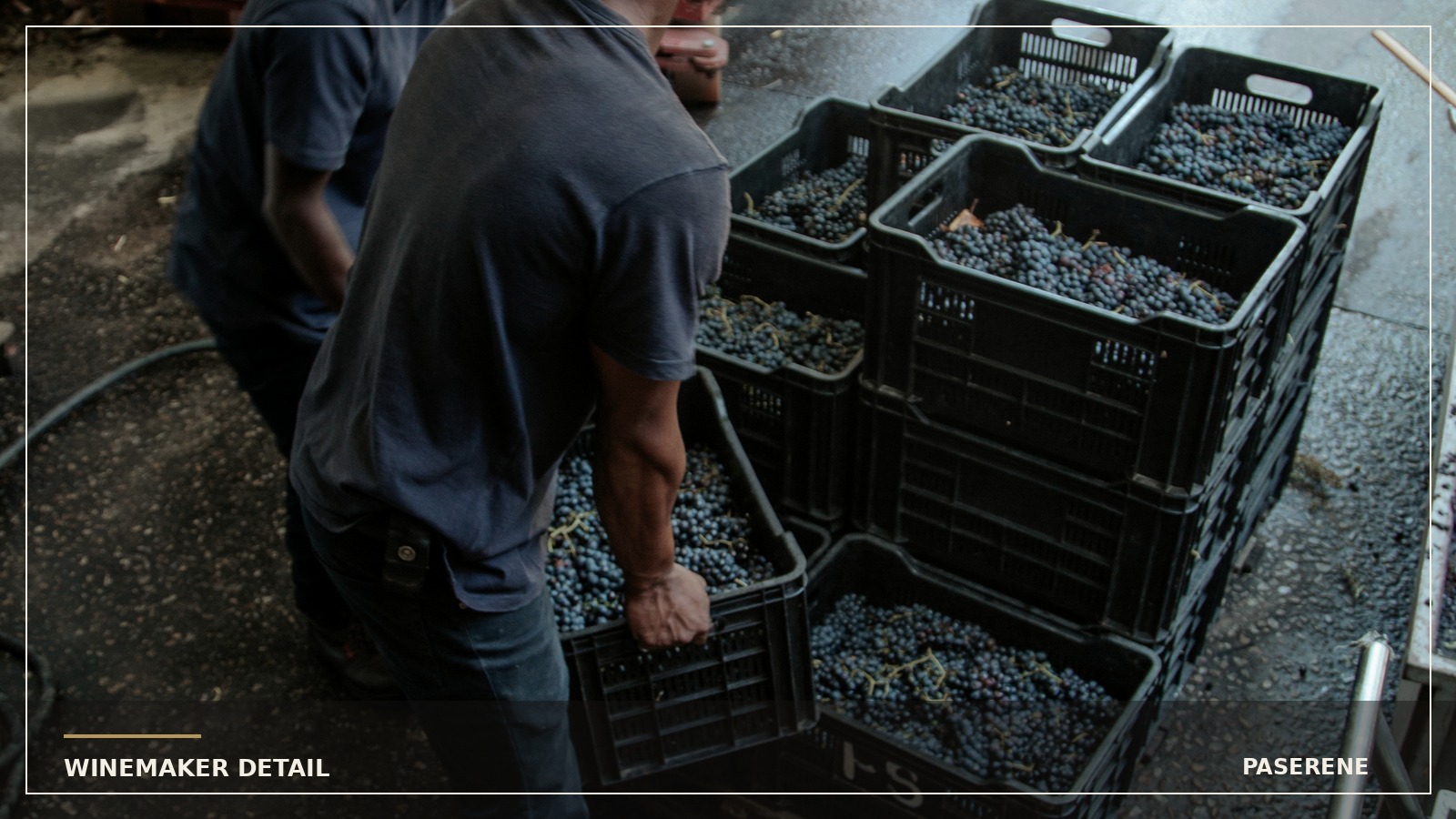
Craft that remains visible
In wine, craft is often quiet. It may be found in restraint, in timing, in what is not forced. Smaller estates can make this craft more visible because the distance between vineyard and glass feels shorter. A visitor can more easily imagine the chain of decisions that brought the wine into being.
This closeness does not require technical explanation at every turn. Sometimes it is enough to see the cellar, to hear how the season unfolded, or to notice that the tasting has not been rushed. The details gather slowly.
The tasting room as a place of welcome
A boutique tasting room often feels less like a counter and more like a room in which time has been prepared. The best examples do not overwhelm the guest. They give enough guidance to make the wines legible, then leave space for personal response.
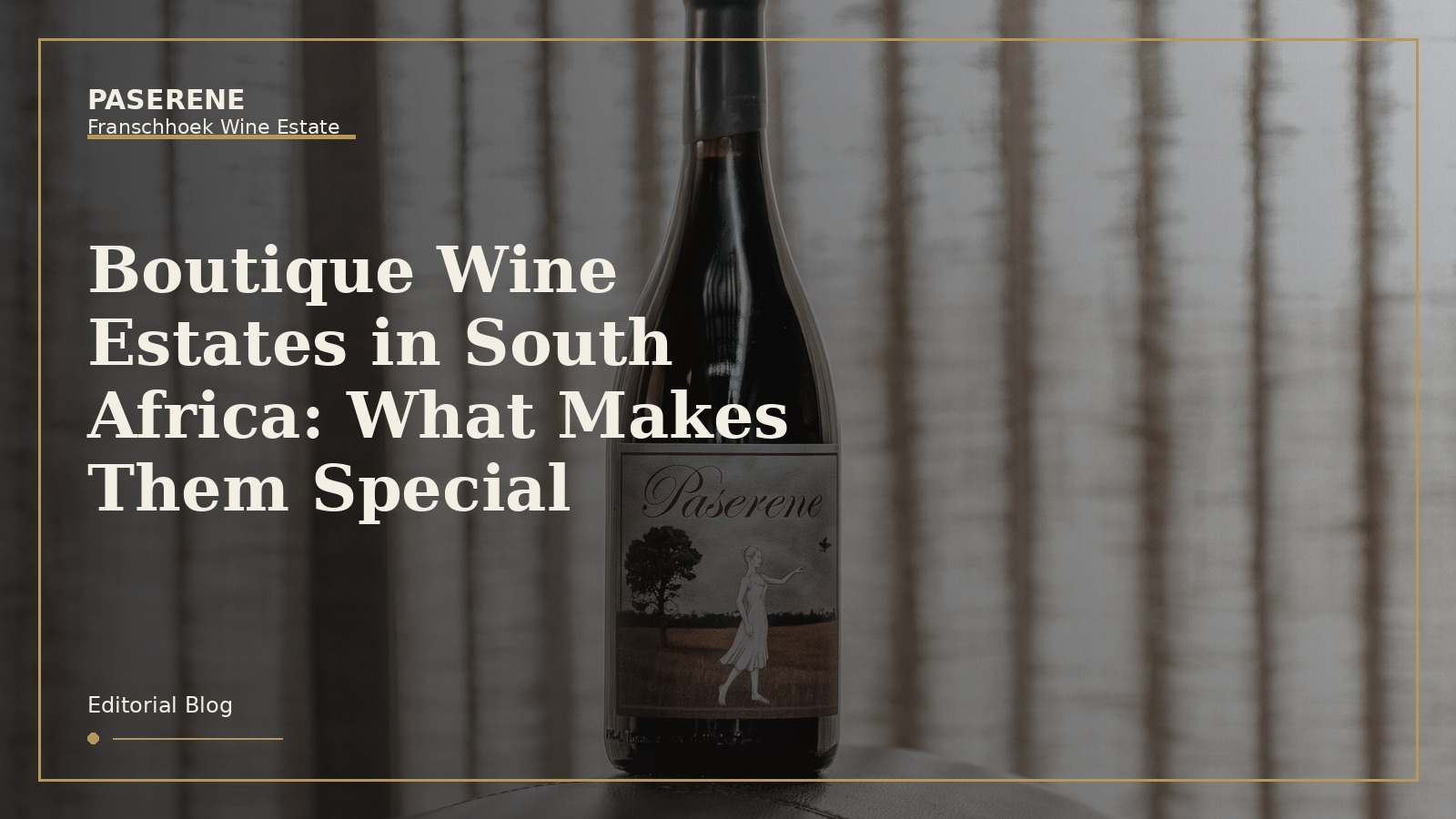
At Paserene, our Franschhoek tasting experience is shaped around this kind of attentive hospitality. We prefer a visit that feels composed, rooted, and generous without needing to announce itself too strongly.
Smaller production and quieter choices
Smaller production can allow an estate to make choices that are specific rather than universal. A wine may be shaped for balance rather than broad appeal. A tasting may move at a pace that suits the room. A label, a bottle, or a release may carry a more personal sense of intention.
This is not a claim that smaller is automatically better. Large estates can produce beautiful wines and host with grace. The difference lies in intimacy. A boutique estate often asks for a different kind of attention, and gives a different kind of memory in return.
The role of place in the visitor’s memory
When people remember a wine estate, they rarely remember the wine alone. They remember the road in, the light on the hills, the texture of the table, the person who poured, the silence before the next glass. Boutique estates are well suited to this kind of memory because the experience is concentrated.
This is why the setting matters. A view is not decoration. It is part of the way the wine is understood. A cellar is not only functional. It gives context. The tasting table is not only furniture. It is where the estate becomes personal.
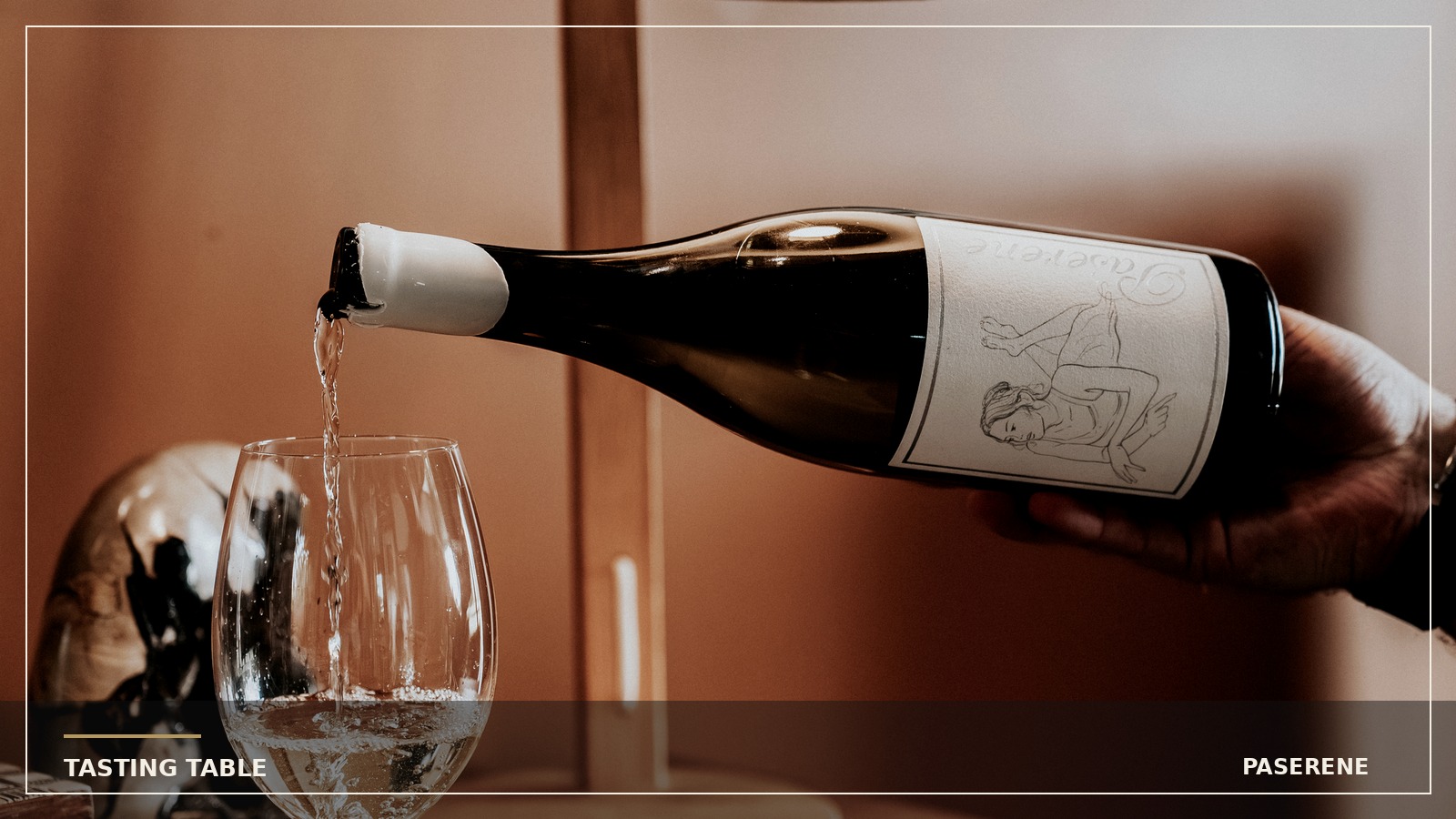
Choosing a boutique estate to visit
Look for a place that feels aligned with the kind of day you want. Some estates are lively and social. Others are slower and more contemplative. Read just enough to understand the tone, then allow the visit to be its own experience.
You may begin with our story of the estate if you would like to understand the quieter foundations behind Paserene before arriving. A visit always feels richer when there is a little context, but not so much that discovery disappears.
FAQ
What makes a wine estate boutique?
A boutique estate is usually smaller in scale and more personal in expression. Its wines, hosting, and setting tend to feel closely connected.
Are boutique wine estates more expensive?
Not always. Pricing depends on many factors, including production, farming, cellar choices, and release size. The value often lies in the intimacy and care of the experience.
Do boutique estates require bookings?
Many do, particularly for seated tastings or weekends. Booking helps the estate prepare a more considered welcome.
Why visit a boutique estate in South Africa?
It offers a closer view of place and craft, and a quieter way to understand the diversity of South African wine.
The pleasure of a smaller frame
A boutique estate does not need to say everything. It only needs to speak clearly. In South Africa, where landscape and craft meet with such variety, these smaller frames can hold some of the most lasting impressions: a glass, a room, a view, and the feeling that nothing was hurried.